
What Is Espresso Coffee? A Complete Beginner’s Guide to Espresso, How It Is Made, and Its Benefits
Have you ever walked into a coffee shop and noticed drinks such as cappuccino, latte, Americano, and macchiato on the menu? You may have wondered what makes these drinks different or why espresso is often described as the foundation of modern coffee culture.
If you are new to coffee, understanding espresso is a great place to start.
Espresso coffee is a small, concentrated coffee beverage made by forcing hot water under high pressure through finely ground coffee beans. It is known for its rich flavour, strong aroma, smooth texture, and distinctive golden-brown foam called crema.
Unlike ordinary brewed coffee, espresso is prepared quickly using a specialised brewing method. Although it is served in a small cup, it has a bold taste that makes it an important ingredient in many popular coffee drinks.
But what exactly makes espresso different from regular coffee? Does it contain more caffeine? What beans are used to make it? Can you prepare espresso at home without professional equipment?
This beginner-friendly guide answers these questions and explains everything you need to know about espresso coffee.
What Is Espresso Coffee?
Espresso is a concentrated coffee beverage prepared by passing hot water through finely ground, compacted coffee under pressure. The brewing process usually takes approximately 20 to 30 seconds, depending on the coffee, machine, and preparation method.
A traditional espresso is served in a small cup because the brewing process produces a concentrated amount of coffee with an intense flavour.
The word espresso comes from Italian. It is commonly associated with coffee prepared specifically for an individual order, rather than coffee made in large quantities and left standing.
One important thing to understand is that espresso is not a particular type of coffee bean. Instead, it is a method of preparing coffee.
This means that different coffee beans can be used to make espresso, provided they are ground and brewed appropriately.
Espresso is also the foundation of several popular coffee beverages, including cappuccino, latte, flat white, and Americano.
How Is Espresso Coffee Made?
Making espresso involves a combination of coffee beans, grinding, hot water, pressure, and proper extraction.
Unlike traditional drip coffee, where water passes through coffee grounds mainly through gravity, an espresso machine uses pressure to push hot water through finely ground coffee.
Here is a simple explanation of how the process works.
1. Selecting the Coffee Beans
The first step is choosing suitable coffee beans.
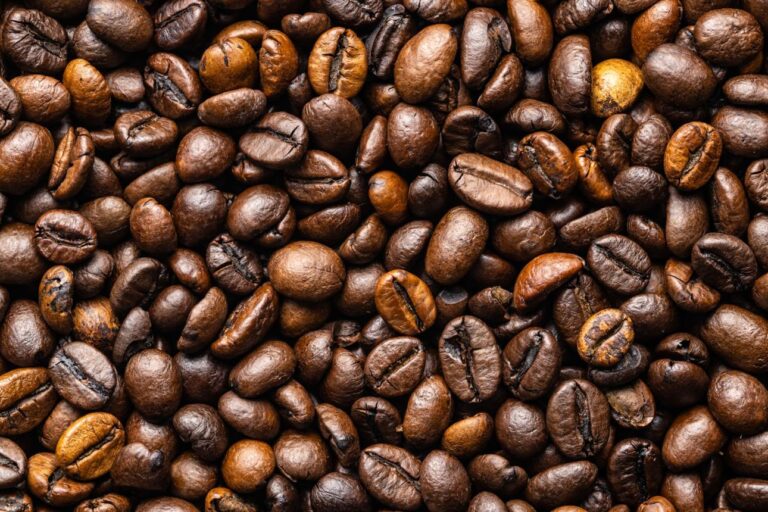
Espresso can be made using Arabica beans, Robusta beans, or a combination of both. Arabica coffee is often appreciated for its smoother taste, pleasant aroma, and variety of flavour notes.
Robusta beans generally have a stronger, more bitter flavour and can contribute to a fuller body and thicker crema.
Some coffee brands combine both varieties to create a balanced flavour.
The choice depends on personal preference and the taste you want to achieve.
2. Grinding the Coffee Beans
After selecting the beans, they are ground into fine particles.
Espresso requires a relatively fine grind because water passes through the coffee under pressure for a short period.
If the coffee is too coarse, water may flow through too quickly, producing a weak or under-extracted drink.
If the coffee is too fine, water may struggle to pass through, resulting in slow extraction and potentially bitter flavours.
The correct grind size helps produce a balanced espresso.
3. Measuring and Tamping the Coffee
The ground coffee is placed inside a small metal basket attached to a machine component called a portafilter.
The coffee grounds are distributed evenly and pressed down using a tool called a tamper.
This process is known as tamping.
Tamping creates a compact and reasonably level coffee bed, allowing water to pass through the grounds more evenly.
Proper distribution and tamping help reduce uneven extraction.
4. Applying Hot Water Under Pressure
The portafilter is locked into the espresso machine.
The machine then pushes heated water through the compacted coffee grounds using pressure.
A traditional espresso preparation reference uses approximately 9 bars of pressure, although modern brewing recipes and equipment can vary.
The water extracts soluble compounds, oils, and flavour components from the coffee.
This process creates the concentrated beverage known as espresso.
5. Collecting and Serving the Espresso
The finished espresso flows into a small cup.
A traditional espresso reference describes a single serving of approximately 25–35 millilitres, although modern specialty coffee shops frequently use different coffee doses and serving weights.
Fresh espresso is usually served immediately to preserve its aroma, flavour, and texture.
What Does Espresso Coffee Taste Like?
Espresso has a concentrated flavour that can be described as bold, rich, and intense.
However, not every espresso tastes the same. Its flavour depends on several factors, including the coffee variety, growing region, roasting level, freshness, grind size, and brewing technique.
Some espresso varieties have chocolate-like, nutty, or caramel notes.
Others may have fruity, floral, citrus, or slightly acidic characteristics.
A properly prepared espresso should have a balanced flavour rather than being unpleasantly bitter or excessively sour.
The texture is another important characteristic. Espresso often feels thicker and heavier in the mouth than ordinary filtered coffee because it contains a higher concentration of dissolved coffee substances and tiny oil droplets.
What Is Crema in Espresso?
Crema is the golden-brown foam that forms on top of a freshly prepared espresso.
It develops when gases released during coffee roasting, particularly carbon dioxide, interact with the pressurised brewing process and other coffee compounds.
Crema contributes to the appearance and texture of espresso.
Many coffee lovers associate a rich crema with a freshly prepared shot. However, crema alone does not determine coffee quality.
The type of beans, roasting date, preparation technique, and freshness can all influence how much crema forms.
What Is the Difference Between Espresso and Regular Coffee?
One common question among beginners is whether espresso is different from regular coffee.
The simple answer is yes. Both beverages come from roasted coffee beans, but they are prepared differently.
The biggest difference is the brewing method.
Regular drip coffee is commonly prepared by allowing hot water to pass through ground coffee using gravity. Espresso, on the other hand, uses pressure to force hot water through finely ground coffee.
Here are some important differences.
| Feature | Espresso | Regular Drip Coffee |
|---|---|---|
| Brewing method | High-pressure extraction | Gravity-based filtration |
| Grind size | Fine | Medium to coarse |
| Brewing time | Usually 20–30 seconds | Usually several minutes |
| Serving size | Small | Usually larger |
| Flavour | Concentrated and intense | Generally lighter |
| Texture | Fuller and thicker | Usually lighter |
| Equipment | Espresso machine | Drip coffee maker or pour-over equipment |
Another important difference is concentration.
Espresso contains more dissolved coffee material in a smaller amount of liquid. This makes it taste stronger per sip.
However, a larger cup of regular coffee may contain more total caffeine than a single espresso shot.
Therefore, a stronger taste does not automatically mean a higher total caffeine intake.
Does Espresso Have More Caffeine Than Regular Coffee?
Espresso is often considered stronger than regular coffee because of its concentrated flavour.
However, caffeine content depends on the serving size, coffee variety, preparation method, and amount of coffee used.
A typical single espresso shot may contain approximately 60–75 milligrams of caffeine, although actual amounts can vary considerably.
An ordinary cup of brewed coffee may contain approximately 80–100 milligrams or more, depending on its size and preparation.
This means that espresso can contain more caffeine per millilitre than regular coffee, but a larger serving of brewed coffee may provide more caffeine overall.
For example, drinking two espresso shots may provide a different caffeine amount from drinking one large mug of brewed coffee.
It is also important to remember that caffeine affects people differently.
Some people may feel alert after a small amount, while others may experience restlessness or difficulty sleeping.
If you are sensitive to caffeine, consider your total daily intake rather than focusing only on the type of coffee you drink.
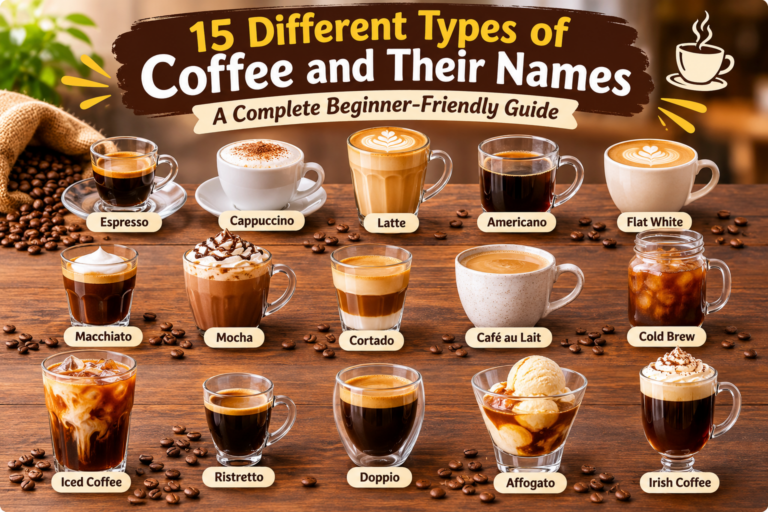
What Are the Different Types of Espresso Drinks?
Espresso is not limited to the small shot served in a traditional espresso cup.
It is also used to prepare several popular coffee beverages.
Understanding these drinks can make it easier to choose what you want when visiting a coffee shop.
1. Single Espresso
<PRIVATE_PERSON> A single espresso is a small serving of concentrated coffee prepared using one espresso extraction.
It is suitable for people who enjoy the original taste of espresso without adding milk or other ingredients.
2. Double Espresso (Doppio)
A double espresso, also called a doppio, is prepared using approximately twice the coffee dose of a traditional single shot.
It provides a larger serving of concentrated coffee and is a popular choice among espresso lovers.
3. Americano
An Americano is made by adding hot water to espresso.
It has a larger serving size and a lighter concentration than a straight espresso, making it suitable for people who enjoy a longer coffee drink without milk.
4. Cappuccino
A cappuccino is a coffee beverage made with espresso, steamed milk, and milk foam.
It generally has a balanced combination of coffee flavour and creamy milk texture.
Cappuccino is particularly popular among people who enjoy a rich but milky coffee drink.
5. Caffè Latte
A latte combines espresso with a larger quantity of steamed milk and a small layer of milk foam.
It usually has a smoother, creamier taste than a straight espresso.
It is a good option for people who prefer a mild coffee flavour.
6. Macchiato
A traditional espresso macchiato is a shot of espresso marked with a small amount of milk or milk foam.
The purpose is to soften the espresso slightly without covering its original flavour.
7. Flat White
A flat white is prepared using espresso and steamed milk with a fine, velvety texture.
It is similar to a latte but is generally served in a smaller cup with a more noticeable coffee flavour.
8. Mocha
A mocha combines espresso, chocolate, and steamed milk.
It is a popular option for people who enjoy the combination of coffee and chocolate.
These beverages demonstrate how one brewing method can be used to create different coffee experiences.
What Coffee Beans Are Best for Espresso?
There is no single coffee bean that is perfect for everyone.
The best beans depend on your preferred taste, budget, and brewing equipment.
However, two major coffee varieties are commonly used in espresso preparation.
Arabica Coffee Beans
Arabica beans are known for their diverse flavour characteristics.
Depending on their origin and processing method, they may have fruity, floral, sweet, nutty, or chocolate-like notes.
They are popular among specialty coffee enthusiasts because of their flavour complexity.
Robusta Coffee Beans
Robusta beans generally have a stronger and more pronounced flavour.
They often contain more caffeine than Arabica beans and can produce a fuller-bodied espresso.
Some traditional espresso blends combine Robusta and Arabica to achieve a balance of flavour, strength, and crema.
Should You Choose Light, Medium, or Dark Roast?
Roasting also influences the taste of espresso.
Light-roasted coffee often has brighter acidity and more noticeable fruity or floral characteristics.
Medium-roasted coffee can offer a balance of sweetness, acidity, and body.
Dark-roasted coffee commonly has deeper chocolate, toasted, smoky, or bitter flavour notes.
If you are new to espresso, medium-roasted beans can be a good starting point because they offer a balanced flavour profile.
Nevertheless, personal preference should guide your final choice.
What Equipment Do You Need to Make Espresso at Home?
You do not necessarily need a professional coffee shop to enjoy espresso.
With the right equipment and a little practice, you can prepare espresso-style coffee at home.
Here are the basic items you may need.
1. Espresso machine: This is the main equipment used to heat water and force it through compacted coffee grounds under pressure.
2. Coffee grinder: A good grinder helps produce consistent coffee particles and allows you to adjust the grind size.
3. Coffee tamper: This tool presses the ground coffee evenly inside the portafilter.
4. Coffee scale: A digital scale helps you measure the coffee dose and finished beverage accurately.
5. Espresso cup: A small cup is commonly used for serving espresso.
6. Fresh coffee beans: Good-quality, properly stored coffee beans are essential for achieving a pleasant flavour.
If you do not have an espresso machine, you can explore alternatives such as a moka pot or an AeroPress.
However, these methods do not produce traditional espresso because they do not reproduce the same brewing pressure and extraction process.
They can still make concentrated and enjoyable coffee at home.
How to Make Espresso Coffee at Home
Preparing espresso at home becomes easier when you understand the basic steps.
Here is a simple starting guide using an espresso machine.
Step 1: Choose fresh coffee beans.
Select coffee beans that match your preferred flavour. Check the roast date and store them in an airtight container away from heat, moisture, and direct sunlight.
Step 2: Grind the coffee.
Grind the beans finely, preferably just before brewing. Adjust the grind size depending on how quickly the espresso flows.
Step 3: Measure the coffee.
For a common modern double-shot recipe, start with approximately 18 grams of ground coffee.
Step 4: Distribute and tamp.
Spread the grounds evenly inside the portafilter and press them down using a tamper.
Step 5: Start the extraction.
Lock the portafilter into the machine and begin brewing.
A useful starting point is approximately 36 grams of espresso from 18 grams of ground coffee, with an extraction time around 25–30 seconds.
This is a starting recipe, not a strict rule. Different beans, machines, and personal preferences may require adjustments.
Step 6: Taste and adjust.
Taste your espresso.
If it tastes excessively sour or weak, you may need to adjust the grind or extraction.
If it tastes excessively bitter, consider adjusting the grind, extraction time, or brewing ratio.
With regular practice, you will become more comfortable preparing espresso according to your preferences.
What Are the Benefits of Espresso Coffee?
Espresso offers several practical advantages for people who enjoy coffee.
However, it is important to understand that espresso is not a medicine or a guaranteed way to improve health.
Here are some commonly discussed benefits.
1. Provides a Quick Caffeine Boost
Espresso contains caffeine, a natural stimulant that can temporarily increase alertness and help reduce feelings of tiredness.
This is one reason many people enjoy coffee in the morning or during work breaks.
2. Contains Antioxidant Compounds
Coffee naturally contains antioxidant compounds, including chlorogenic acids and other polyphenols.
These compounds have been studied for their potential biological effects.
However, drinking espresso should not be treated as a substitute for a balanced diet or medical care.
3. Convenient and Quick to Prepare
One advantage of espresso is its relatively short preparation time.
Once the machine is ready, a shot can usually be prepared in less than a minute.
This makes espresso convenient for busy mornings and coffee breaks.
4. Can Be Used in Different Coffee Recipes
Espresso is a versatile coffee base.
You can enjoy it on its own or combine it with milk, chocolate, water, and other ingredients to create different beverages.
5. Offers a Rich Coffee Experience
For people who enjoy strong coffee flavours, espresso provides a concentrated taste and distinctive texture in a relatively small serving.
Are There Any Disadvantages of Drinking Espresso?
Although espresso is enjoyed worldwide, drinking too much caffeine may cause unwanted effects in some people.
Possible effects of excessive caffeine consumption include:
- Difficulty sleeping or insomnia.
- Increased nervousness or restlessness.
- Temporary increases in heart rate.
- Headaches in sensitive individuals.
- Stomach discomfort in some people.
- Feelings of anxiety or jitteriness.
The US Food and Drug Administration notes that up to 400 milligrams of caffeine daily is generally not associated with dangerous negative effects for most healthy adults. However, individual tolerance varies.
Pregnant or breastfeeding individuals and people with certain medical conditions may need different caffeine limits.
It is advisable to seek appropriate medical guidance if you have concerns about caffeine consumption.
Moderation is important, particularly if you also consume tea, energy drinks, chocolate, or other caffeinated products.
Is Espresso Stronger Than Instant Coffee?
Espresso generally has a more concentrated flavour than instant coffee.
However, the two beverages are made differently.
Espresso is prepared by extracting flavour from finely ground roasted coffee using hot water and pressure.
Instant coffee is produced commercially by brewing coffee and then removing most of its water through processes such as spray-drying or freeze-drying.
The resulting soluble coffee can be dissolved in hot water to prepare a drink.
Instant coffee is generally easier and quicker to prepare because it does not require an espresso machine.
Espresso, on the other hand, offers a different texture, aroma, and concentrated flavour.
Neither is automatically better. The right choice depends on your taste, available equipment, and convenience.
Frequently Asked Questions About Espresso Coffee
Is espresso a type of coffee?
Yes, espresso is a type of coffee beverage. More precisely, it is a brewing method that produces concentrated coffee by forcing hot water through finely ground coffee under pressure.
Is espresso stronger than normal coffee?
Espresso is more concentrated and generally tastes stronger per sip than regular brewed coffee. However, a large cup of regular coffee may contain more total caffeine than one espresso shot.
Can I make espresso without an espresso machine?
You can make concentrated coffee using equipment such as a moka pot or AeroPress. However, these methods do not produce traditional espresso because they use different brewing processes and pressure conditions.
Is espresso made from special coffee beans?
No. Espresso does not require a unique species of coffee bean. Arabica, Robusta, and different blends can all be used to prepare espresso.
Why is espresso served in a small cup?
Espresso is concentrated, so a relatively small serving provides an intense coffee experience. It is traditionally served in a small cup to accommodate its serving size.
Why does espresso have foam on top?
The foam is called crema. It forms when gases released during coffee roasting interact with the brewing process and stabilising compounds in the coffee.
Can I drink espresso every day?
Many healthy adults can enjoy espresso daily in moderation. However, your total caffeine intake, individual sensitivity, sleep habits, and health circumstances should be considered.
Is espresso good for beginners?
Yes. Espresso can be enjoyed by beginners, although its concentrated flavour may take some getting used to. If you prefer a milder taste, you can start with a latte, cappuccino, or Americano.
Does espresso contain sugar?
Plain espresso does not normally contain added sugar. Its natural flavour may include sweet, chocolate-like, nutty, or fruity notes, depending on the beans and brewing process. Sugar is added only when desired.
What is the difference between a single and double espresso?
A single espresso is a smaller serving prepared with a single coffee dose, while a double espresso uses approximately twice the coffee dose and produces a larger serving.
Final Thoughts: Is Espresso Coffee Worth Trying?
Espresso is more than just a small cup of strong coffee. It is a distinctive brewing method that has influenced modern coffee culture and become the foundation of many popular coffee beverages.
Understanding what espresso is, how it is made, and how it differs from regular coffee makes it easier to appreciate the drink and choose the right coffee for your taste.
Whether you prefer a traditional espresso shot, a creamy cappuccino, a smooth latte, or a refreshing Americano, espresso offers plenty of ways to enjoy coffee.
You do not need to be a professional barista to appreciate it. Start by exploring different coffee beans, experimenting with different espresso-based drinks, and discovering the flavours you enjoy most.
Ultimately, the best espresso is the one that tastes right to you.