Latte vs Cappuccino: Key Differences, Ingredients, Taste, Caffeine, and Which One Should You Choose?
Coffee lovers often find themselves choosing between two popular espresso-based drinks: latte and cappuccino. Both are made with espresso and steamed milk, both are available in most coffee shops, and both can look quite similar when served in a cup. However, despite their similarities, they offer different experiences in terms of taste, texture, milk content, and coffee strength.
If you have ever wondered whether a latte is stronger than a cappuccino, which one contains more milk, or which coffee is better for everyday drinking, you are not alone. These are common questions among people who enjoy coffee but may not understand the differences between the drinks.
Understanding latte vs cappuccino does not require professional barista knowledge. The main differences come down to the amount of steamed milk, the thickness of the milk foam, and the balance between coffee and milk.
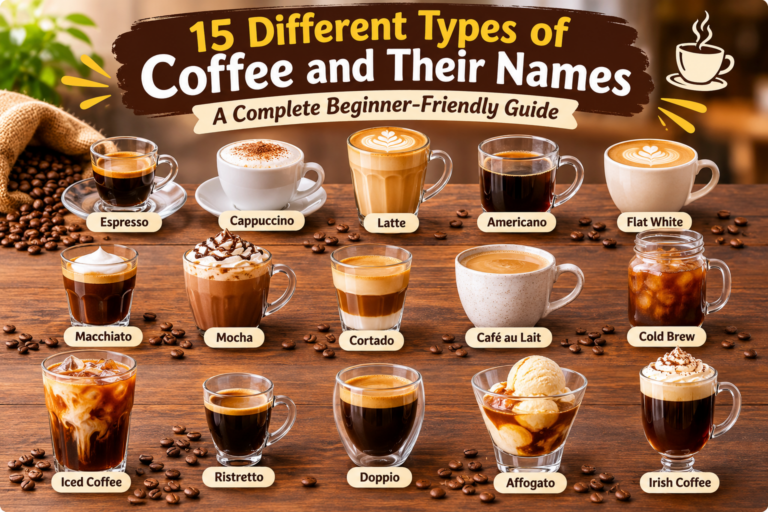
A latte generally contains more steamed milk, giving it a smooth, creamy, and mild taste. A cappuccino, on the other hand, has a more balanced combination of espresso, steamed milk, and milk foam, resulting in a stronger coffee flavour and a lighter, frothier texture.
In this guide, you will learn everything you need to know about latte and cappuccino, including their ingredients, preparation methods, caffeine content, calories, nutritional differences, and which option may suit your personal taste.
What Is a Latte?
A latte, also known as a caffè latte, is an espresso-based coffee drink prepared with espresso and steamed milk, usually finished with a thin layer of milk foam.
The word latte comes from the Italian phrase caffè latte, which means coffee with milk. As the name suggests, milk plays a major role in this drink.
A traditional latte is commonly prepared using one or two shots of espresso, followed by a larger quantity of steamed milk. The milk softens the intense flavour of espresso, creating a smooth and creamy beverage.
One reason lattes are popular is their mild taste. People who find ordinary black coffee too bitter or strong often enjoy lattes because the milk makes the coffee flavour less intense.
Lattes are also widely used for coffee art. Skilled baristas can create attractive patterns on the surface of a latte by carefully pouring steamed milk into espresso. Common designs include hearts, leaves, and rosettas.
Main Ingredients in a Latte
A standard latte contains three basic components:
- Espresso: This provides the coffee flavour and caffeine.
- Steamed milk: This creates the creamy texture and balances the bitterness of espresso.
- Milk foam: A thin layer of foam sits on top of the drink.
A typical latte served in a coffee shop may contain approximately one or two espresso shots and 150–250 ml of steamed milk, depending on the cup size and preparation style. The exact proportions can vary between coffee shops.
What Does a Latte Taste Like?
A latte has a smooth, creamy, and slightly sweet taste, even when no sugar is added.
The natural sweetness comes partly from the milk, which develops a sweeter flavour when heated correctly. Because a latte contains more milk than a cappuccino, the espresso flavour is usually less concentrated.
This makes it a suitable choice for people who prefer a gentle coffee experience.
You can also customise a latte with flavours such as vanilla, caramel, cinnamon, or chocolate. These additions make it even more appealing to people who enjoy flavoured coffee.
What Is a Cappuccino?
A cappuccino is another popular espresso-based coffee drink. It is traditionally made with espresso, steamed milk, and a generous layer of milk foam.
Unlike a latte, which contains a larger amount of steamed milk, a cappuccino is known for its balanced proportions and thick, airy texture.
A traditional cappuccino is commonly prepared using equal proportions of espresso, steamed milk, and milk foam. A typical serving is around 150–180 ml, although modern coffee shops may serve larger versions.
The thick foam is one of the most recognisable features of a cappuccino. It gives the drink a lighter texture and creates a distinctive experience with every sip.
Cappuccino originated in Italy and became popular as espresso machines developed and became more widely available. Today, it is enjoyed in coffee shops around the world.
Main Ingredients in a Cappuccino
A traditional cappuccino contains three main ingredients:
- Espresso: The concentrated coffee base.
- Steamed milk: Adds smoothness and balances the espresso.
- Milk foam: Creates the thick, airy layer on top.
Some coffee shops sprinkle cocoa powder, cinnamon, or chocolate powder over cappuccino foam for additional flavour.
What Does a Cappuccino Taste Like?
A cappuccino generally has a stronger and more noticeable coffee flavour than a latte. This is mainly because it contains less steamed milk relative to its espresso content.
The milk foam also affects how the drink feels in your mouth. Instead of the consistently creamy texture of a latte, a cappuccino offers a combination of rich espresso, smooth milk, and airy foam.
It is an excellent choice for people who enjoy the flavour of espresso but still want some milk in their coffee.
Latte vs Cappuccino: Key Differences Explained
Although both drinks use espresso and milk, they are not exactly the same. The easiest way to understand the difference is to compare their milk proportions, foam, taste, serving sizes, and overall texture.
Here is a simple comparison:
| Feature | Latte | Cappuccino |
|---|---|---|
| Main ingredients | Espresso, steamed milk, light foam | Espresso, steamed milk, thick foam |
| Milk content | Higher | Lower |
| Milk foam | Thin layer | Thick layer |
| Texture | Smooth and creamy | Light and frothy |
| Coffee flavour | Milder | More pronounced |
| Typical serving size | 240–350 ml | 150–180 ml |
| Appearance | More liquid milk | More visible foam |
| Coffee-to-milk balance | Milk-dominant | More balanced |
| Best for | People who prefer mild coffee | People who enjoy stronger coffee flavour |
These measurements are general examples rather than fixed rules. Recipes and serving sizes differ depending on the coffee shop, country, and barista.
1. Difference in Milk Content
The amount of milk is one of the biggest differences between a latte and a cappuccino. A latte contains more steamed milk, making it creamier and less intense. A cappuccino contains less steamed milk and more noticeable foam.
If you prefer coffee that tastes mostly like milk with a gentle espresso flavour, a latte may be more suitable.
However, if you want to enjoy the taste of espresso without drinking it completely black, a cappuccino may be a better option.
2. Difference in Milk Foam
Another important difference is the amount of milk foam. A latte usually has a thin layer of microfoam. Microfoam consists of very small air bubbles mixed into steamed milk, producing a silky texture.
A cappuccino traditionally has a thicker and more noticeable foam layer.
This difference affects the drinking experience. A latte feels smooth and creamy, while a cappuccino feels lighter and airier.
3. Difference in Taste
Latte and cappuccino have different flavour profiles because of their milk proportions. A latte tastes milder because the larger amount of milk reduces the intensity of the espresso.
A cappuccino has a stronger coffee presence because the espresso is less diluted by steamed milk. However, the actual taste also depends on the coffee beans, espresso extraction, roast level, and number of shots used.
4. Difference in Serving Size
Lattes are generally served in larger cups than cappuccinos. A latte may be served in a 240–350 ml cup, while a traditional cappuccino is often served in a cup of approximately 150–180 ml.
This does not automatically mean that a latte contains more caffeine. The caffeine content depends primarily on the amount of espresso used.
Latte vs Cappuccino: Which Has More Caffeine?
One common misconception is that cappuccino always contains more caffeine than a latte. The truth is that both drinks can contain similar amounts of caffeine when prepared with the same number of espresso shots.
For example, a single espresso shot typically contains approximately 60–75 mg of caffeine, although the amount varies depending on the coffee beans, serving size, and preparation method.
If a latte and cappuccino are both made with one espresso shot, their caffeine content will generally be similar.
The difference is that a latte contains more milk, which reduces the intensity of the coffee flavour but does not remove the caffeine.
Here is a simple example:
| Coffee drink | Espresso shots | Approximate caffeine |
|---|---|---|
| Single-shot latte | 1 | 60–75 mg |
| Single-shot cappuccino | 1 | 60–75 mg |
| Double-shot latte | 2 | 120–150 mg |
| Double-shot cappuccino | 2 | 120–150 mg |
These figures are estimates, not guaranteed values.
Which should you choose?
If you want more caffeine, check how many espresso shots your coffee contains instead of choosing based only on whether it is a latte or cappuccino.
Latte vs Cappuccino: Which Has More Calories?
Calories are another factor worth considering, particularly if you are monitoring your daily food intake.
In general, a latte may contain more calories than a cappuccino when both drinks use the same milk type and the latte contains a larger quantity of milk.
Milk naturally contains calories, carbohydrates, protein, and fat. Therefore, a drink with more milk will usually have more calories. However, the actual calorie content depends on several factors:
- The type of milk used.
- The amount of milk added.
- The number of espresso shots.
- Added sugar or sweeteners.
- Flavoured syrups and toppings.
- The final serving size.
For example, a latte made with whole milk and caramel syrup will generally contain more calories than a plain cappuccino made with a smaller quantity of low-fat milk.
Neither drink is automatically unhealthy. Both can fit into a balanced diet depending on their ingredients and portion sizes.
If you want to reduce calories, consider choosing unsweetened coffee, reducing flavoured syrups, or selecting a milk option that suits your nutritional preferences.
Latte vs Cappuccino: Which Is Stronger?
The answer depends on what you mean by stronger. If you are referring to coffee flavour, cappuccino generally tastes stronger because it contains less steamed milk.
If you are referring to caffeine, neither drink is automatically stronger. Both can contain similar amounts of caffeine when prepared using the same number of espresso shots.
For example, a cappuccino with one espresso shot may contain less caffeine than a double-shot latte. This is why it is important to distinguish between coffee strength and caffeine content. A cappuccino may taste more intense without necessarily containing more caffeine.
Which Is Better: Latte or Cappuccino?
There is no universal winner in the latte versus cappuccino debate. The best option depends on your personal taste, preferred texture, and how you enjoy drinking coffee.
Both drinks offer different experiences, so understanding what you like can help you make a better choice.
Choose a Latte If:
- You prefer smooth and creamy coffee.
- You do not enjoy very strong coffee flavours.
- You like drinking coffee slowly.
- You enjoy milk-based beverages.
- You like flavoured coffee, such as vanilla or caramel.
- You enjoy latte art and visually attractive coffee.
A latte is particularly suitable for people who are new to espresso-based drinks because its milk content makes the coffee flavour gentler.
Choose a Cappuccino If:
- You enjoy a noticeable espresso flavour.
- You prefer a smaller coffee serving.
- You like thick and airy milk foam.
- You want a balanced combination of coffee and milk.
- You prefer less steamed milk than a traditional latte.
A cappuccino is a good option if you enjoy the flavour of coffee but do not want to drink espresso on its own.
Can You Make a Latte and Cappuccino at Home?
Yes. You do not need to visit an expensive coffee shop to enjoy either drink. With a few basic ingredients and simple equipment, you can prepare a latte or cappuccino in your kitchen.
How to Make a Latte at Home
Ingredients:
- One shot of espresso.
- Approximately 180–220 ml of milk.
- Sugar or flavoured syrup, if desired.
Preparation steps:
- Prepare one shot of espresso using an espresso machine or another suitable coffee-making method.
- Heat your milk until it is hot but not boiling.
- Froth the milk gently to create a smooth, silky texture.
- Pour the steamed milk slowly into your espresso.
- Finish with a thin layer of milk foam.
- Add your preferred sweetener if necessary.
Your homemade latte is ready to enjoy. If you do not own an espresso machine, you can use a strong coffee concentrate made with a moka pot or another brewing method. However, the result may taste different from a traditional espresso-based latte.
How to Make a Cappuccino at Home
Ingredients:
- One shot of espresso.
- Approximately 60 ml of steamed milk.
- Approximately 60 ml of milk foam.
Preparation steps:
- Prepare one shot of espresso.
- Heat your milk without allowing it to boil.
- Froth the milk until you achieve a thicker, airy foam.
- Pour the steamed milk into the espresso.
- Add the remaining foam to create a thick layer on top.
- Sprinkle a little cocoa powder or cinnamon if desired.
The result should have a noticeable coffee flavour with a smooth milk base and a generous foam topping.
What Is the Difference Between a Latte, Cappuccino, and Flat White?
If you enjoy espresso-based drinks, you may also come across another popular option called a flat white.
Although a flat white, latte, and cappuccino share similar ingredients, they differ in preparation and texture.
| Feature | Latte | Cappuccino | Flat White |
|---|---|---|---|
| Espresso | Yes | Yes | Yes |
| Steamed milk | High amount | Moderate amount | Moderate amount |
| Foam | Thin | Thick | Thin microfoam |
| Texture | Creamy | Frothy | Velvety |
| Coffee flavour | Mild | More pronounced | Noticeable and rich |
| Typical serving | Medium to large | Small | Small to medium |
A flat white is generally made with espresso and finely textured steamed milk, with a thin layer of microfoam.
It often has a stronger coffee presence than a latte because of its smaller milk-to-coffee ratio, although recipes vary.
If you enjoy the smoothness of a latte but want a more noticeable coffee flavour, a flat white may be worth trying.
Are Latte and Cappuccino Suitable for Beginners?
Both drinks are suitable for beginners, but your personal taste will determine which one you enjoy more. If you rarely drink coffee or find black coffee too bitter, starting with a latte may be easier. Its higher milk content creates a gentle flavour that many new coffee drinkers find enjoyable.
A cappuccino is also beginner-friendly, especially if you want to experience the flavour of espresso without drinking it alone.
You can start with a traditional cappuccino and gradually explore other espresso-based drinks as your preferences develop. There is no need to become a coffee expert before enjoying a good cup of coffee.
Frequently Asked Questions About Latte vs Cappuccino
1. Is a latte stronger than a cappuccino?
A latte generally has a milder coffee flavour because it contains more steamed milk. A cappuccino usually has a stronger espresso taste. However, their caffeine content can be similar if both drinks contain the same number of espresso shots.
2. Which has more milk, a latte or cappuccino?
A latte contains more steamed milk than a traditional cappuccino. This gives it a smoother and creamier consistency.
3. Which has more foam, a latte or cappuccino?
A cappuccino traditionally has more milk foam. A latte usually has a thinner layer of foam with a smoother microfoam texture.
4. Does cappuccino have more caffeine than latte?
Not necessarily. Caffeine depends mainly on the number of espresso shots and the coffee used. If both drinks contain one espresso shot, their caffeine content will usually be similar.
5. Is a latte sweeter than a cappuccino?
A latte may taste sweeter because it contains more milk. Milk has natural sugars called lactose, which contribute to its flavour. However, neither drink needs added sugar to taste enjoyable.
6. Can I drink a latte every day?
Many people enjoy a latte daily. However, it is important to consider your overall caffeine intake, portion sizes, and any added sugars. Individual caffeine tolerance also varies.
7. Is cappuccino healthier than latte?
Neither drink is automatically healthier. Their nutritional differences depend on the type and quantity of milk, serving size, and additional ingredients. Both can be enjoyed as part of a balanced diet.
8. Can I make cappuccino without an espresso machine?
Yes. You can use strong coffee prepared with a moka pot or another brewing method and froth your milk using a handheld milk frother, French press, or suitable alternative. The flavour will not be exactly the same as traditional espresso-based cappuccino, but it can still be enjoyable.
9. Why is cappuccino served in a smaller cup?
Traditional cappuccino is served in a smaller cup to maintain its balance of espresso, steamed milk, and foam. Lattes generally contain more steamed milk and are therefore served in larger cups.
10. Can I add sugar to a cappuccino or latte?
Yes. You can add sugar, honey, or flavoured syrups to either drink. However, adding sweeteners increases the sugar content and may increase the total calories.
Final Thoughts
When comparing latte vs cappuccino, the biggest differences are the milk content, foam, texture, and coffee flavour.
A latte is a better choice if you enjoy smooth, creamy, and mild coffee. Its higher milk content makes it less intense and suitable for people who prefer a gentle coffee experience.
A cappuccino is ideal if you enjoy a more noticeable espresso flavour combined with steamed milk and thick foam. Its traditional proportions create a balanced drink with a distinctive texture.
When it comes to caffeine, neither drink is automatically stronger. The number of espresso shots matters more than the name of the beverage.
Ultimately, the best coffee is the one you genuinely enjoy. You can try both drinks, experiment with different milk options, and adjust the sweetness until you discover your favourite.
Whether you choose a creamy latte or a frothy cappuccino, understanding their differences makes ordering coffee easier and helps you enjoy every cup with confidence.
The next time you visit a coffee shop, you will know exactly what makes a latte different from a cappuccino and which one is more likely to satisfy your taste.