Coffee Products for Weight-Conscious Consumers: A Complete Guide to Choosing Healthier Coffee Options
Coffee is one of the most popular beverages in the world. Millions of people enjoy it every day for its rich flavour, comforting aroma, and naturally occurring caffeine. However, as more people become conscious of their eating habits and daily calorie intake, the way they choose and prepare coffee is changing.
For people who want to manage their weight, choosing coffee is no longer just about taste or convenience. They may also consider the amount of sugar, calories, cream, artificial flavouring, and other ingredients in their favourite beverages.
Fortunately, enjoying coffee does not necessarily mean giving up your health-conscious lifestyle. There are several coffee products and preparation methods that can help you enjoy your favourite drink while being mindful of your nutritional choices.
From plain black coffee and unsweetened instant coffee to low-sugar coffee blends and plant-based milk alternatives, consumers have more choices than ever.
But which coffee products are suitable for people watching their weight? Are sugar-free coffee products better? Does black coffee support weight management? And what should you look for when purchasing healthier coffee options?
This guide explores and explains how to choose coffee products that fit into a balanced lifestyle.
Understanding Coffee Products for Weight-Conscious Consumers
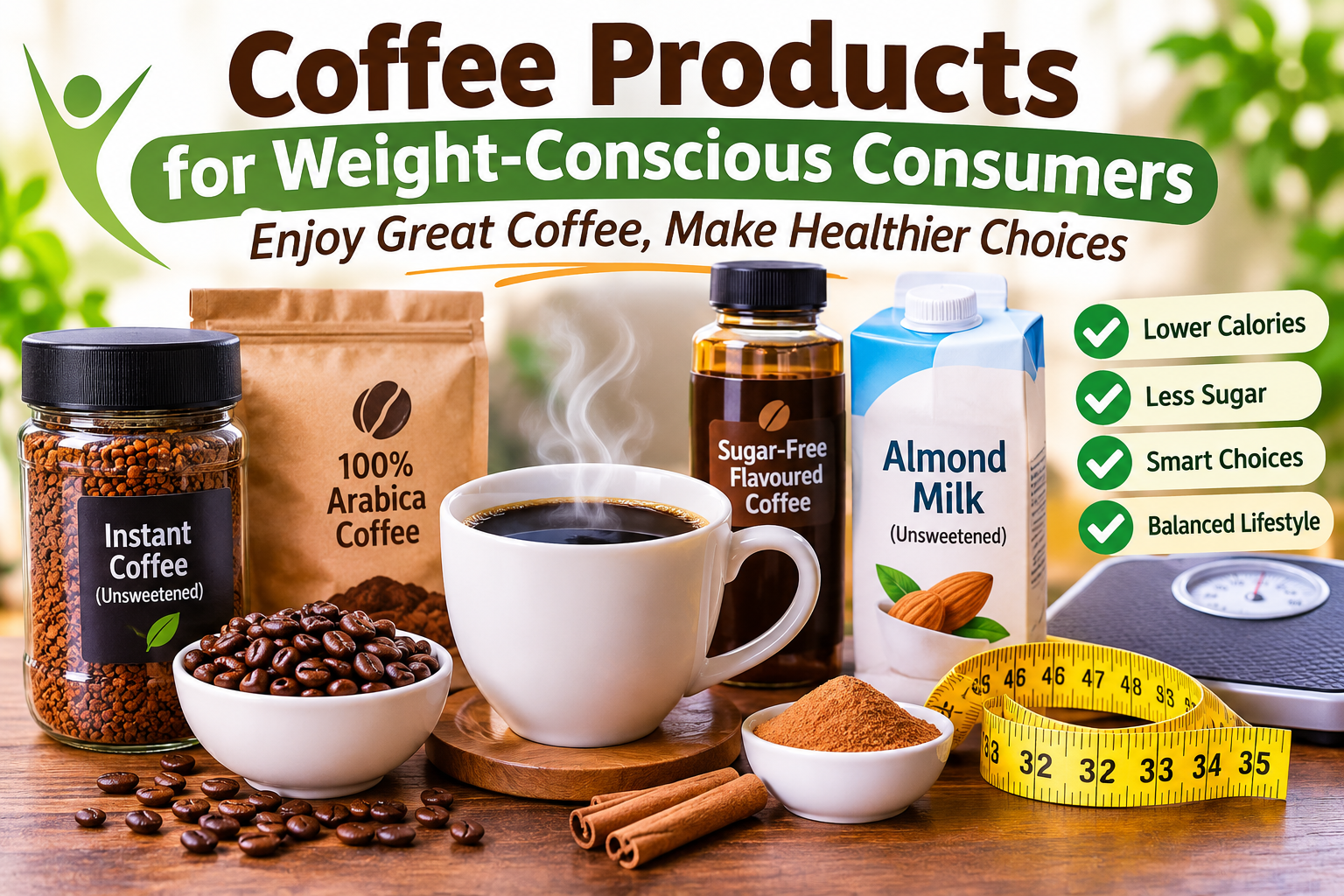
Coffee products for weight-conscious consumers are beverages, coffee blends, and related products designed to make it easier for people to enjoy coffee while paying attention to their calorie and sugar consumption. These products may include:
- Unsweetened instant coffee.
- Ground coffee and whole coffee beans.
- Sugar-free flavoured coffee.
- Low-calorie ready-to-drink coffee.
- Decaffeinated coffee.
- Coffee with reduced-sugar formulations.
- Coffee products made with alternative milk options.
The main idea is not that these products automatically cause weight loss. Rather, they provide choices that may help consumers avoid unnecessary calories and added sugars.
For example, a regular coffee drink containing flavoured syrup, whipped cream, and full-fat milk may contain considerably more calories than a simple cup of black coffee.
Choosing an unsweetened coffee alternative or reducing the amount of added sugar can make a difference in your overall daily calorie intake.
It is important to remember that weight management depends on several factors, including eating habits, physical activity, sleep, genetics, and overall lifestyle. Coffee alone cannot replace these important habits.
Black Coffee: A Simple Option for Calorie-Conscious Consumers
Black coffee is one of the simplest coffee choices for people who want to monitor their calorie intake.
It is prepared using coffee beans or ground coffee mixed with hot water, without adding milk, sugar, cream, or flavoured syrup.
Because it contains very few calories when served plain, black coffee can be a practical alternative to heavily sweetened coffee beverages.
Why Choose Black Coffee?
Low calorie content: Plain black coffee contains very few calories, making it easier to include in a calorie-conscious eating plan.
No added sugar: When consumed without sweeteners, black coffee does not contribute added sugar to your diet.
Simple ingredients: Traditional black coffee contains coffee and water, without the additional ingredients commonly found in speciality coffee drinks.
Flexible preparation: You can prepare black coffee using a French press, drip coffee maker, espresso machine, or instant coffee.
Is Black Coffee Good for Weight Management?
Black coffee may support a calorie-conscious lifestyle when it replaces higher-calorie beverages.
For example, replacing a large, sweetened coffee drink with plain black coffee may reduce the calories you consume from beverages.
Caffeine may also temporarily increase alertness and have a modest effect on energy expenditure. However, this does not mean that drinking black coffee directly causes significant or lasting weight loss.
The most important benefit is often what you leave out: unnecessary added sugar, cream, and high-calorie flavourings.
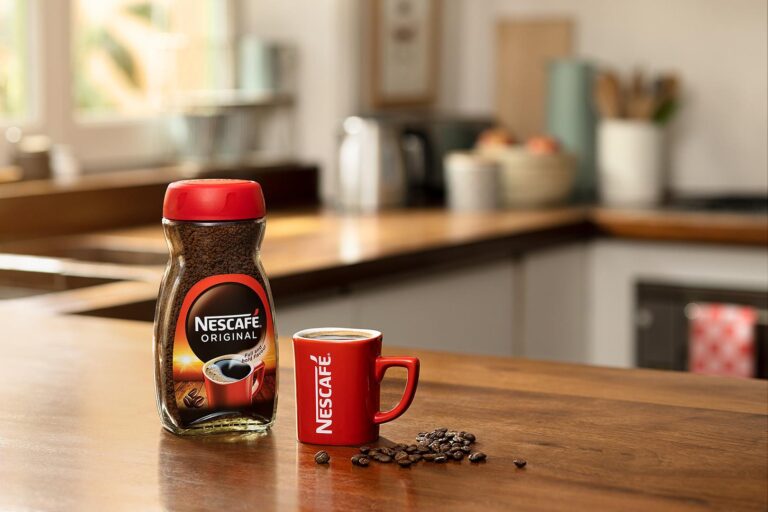
Unsweetened Instant Coffee: Convenient and Easy to Prepare
Instant coffee is a popular choice among people who want a quick and convenient beverage.
It is made from brewed coffee that has been processed into soluble granules or powder. Consumers simply add hot water to prepare a cup. For weight-conscious individuals, unsweetened instant coffee can be a useful option.
Benefits of Unsweetened Instant Coffee
- It is generally quick and easy to prepare.
- Plain varieties usually contain very few calories.
- It does not require added sugar or milk.
- It is often affordable and easy to store.
- It allows consumers to control the ingredients added to each cup.
However, not every instant coffee product is the same. Some instant coffee mixes contain sugar, powdered creamer, flavourings, and other ingredients. These additions can increase the calorie content significantly.
Before purchasing instant coffee, check the ingredient list and nutrition information. Look for products labelled as pure instant coffee or unsweetened instant coffee rather than sweetened three-in-one coffee mixtures.
This small shopping habit can help you make more informed decisions.
Sugar-Free Flavoured Coffee: Enjoying Taste Without Added Sugar
Some consumers enjoy flavoured coffee but want to reduce their added sugar intake. Sugar-free flavoured coffee products offer an alternative. These products may come in flavours such as:
- Vanilla.
- Caramel.
- Hazelnut.
- Chocolate.
- Mocha.
- Cinnamon.
Depending on the product, the flavour may come from natural flavourings, artificial flavourings, or non-sugar sweeteners.
Sugar-free does not always mean calorie-free. Some products may still contain milk ingredients, oils, creamers, or other calorie-containing ingredients.
It is therefore important to examine the nutrition label rather than relying only on the product’s front packaging.
What Should You Check?
When purchasing sugar-free coffee, consider:
- Whether the product contains added sugar.
- The total calories per serving.
- The type of sweetener used.
- The amount of saturated fat.
- The recommended serving size.
Some non-sugar sweeteners can be useful for people reducing their sugar intake, although individual preferences and tolerance vary.
You do not need to choose artificially sweetened coffee to maintain a balanced diet. Unsweetened coffee is also an excellent option.
Low-Calorie Ready-to-Drink Coffee
Ready-to-drink coffee products are convenient beverages sold in bottles, cans, and cartons.
They are particularly attractive to busy consumers who want to enjoy coffee without preparing it themselves.
However, convenience does not always mean a product is suitable for a calorie-conscious lifestyle.
Some bottled coffee drinks contain substantial amounts of added sugar, cream, and flavoured ingredients.
For this reason, consumers should compare products before purchasing.
How to Choose a Better Ready-to-Drink Coffee
Consider the following factors:
- Calories per container: Check the total calories in the entire bottle or can, not just the manufacturer’s stated serving size.
- Added sugar: Choose products with little or no added sugar if reducing sugar is one of your dietary goals.
- Protein content: Some coffee beverages contain milk or added protein. Protein can contribute to fullness, but these products may also contain additional calories.
- Ingredient quality: Look for transparent ingredient lists and avoid products that make unrealistic weight-loss promises.
- Caffeine content: Check how much caffeine is present, particularly if you already consume other caffeinated beverages.
A low-calorie ready-to-drink coffee can be convenient, but it should complement rather than replace nutritious meals.
Decaffeinated Coffee: An Alternative for Caffeine-Sensitive Consumers
Not everyone tolerates caffeine comfortably. Some people experience restlessness, difficulty sleeping, a racing heartbeat, or other unpleasant effects after consuming caffeinated coffee.
Decaffeinated coffee provides a way to enjoy the familiar taste of coffee while consuming considerably less caffeine.
It is not completely caffeine-free, but it generally contains much less caffeine than regular coffee.
Does Decaffeinated Coffee Contain Fewer Calories?
The calorie content of decaffeinated coffee is generally similar to that of regular black coffee. Removing most of the caffeine does not automatically make coffee lower in calories.
What matters more is how the beverage is prepared and whether sugar, milk, cream, or syrups are added.
For weight-conscious consumers, plain decaffeinated coffee can be a suitable alternative to regular black coffee. It may also be a better choice for people who want to reduce caffeine consumption later in the day.
Plant-Based Milk Alternatives for Healthier Coffee Preparation
Milk can change the taste, texture, and nutritional content of coffee. Traditional whole milk adds calories and fat, while some plant-based alternatives offer different nutritional profiles.
Popular options include:
- Unsweetened almond milk.
- Unsweetened soy milk.
- Unsweetened oat milk.
- Unsweetened coconut milk.
- Unsweetened cashew milk.
These alternatives are not nutritionally identical.
For example, unsweetened almond milk is often relatively low in calories, while soy milk generally provides more protein. Oat milk may contain more carbohydrates, depending on the formulation.
Which Plant-Based Milk Is Best?
There is no single best option for everyone. If your priority is reducing calories, compare the nutritional information of different unsweetened varieties.
If you want additional protein, unsweetened soy milk may be worth considering.
If you prefer a creamy texture, oat milk may suit your taste, although its calorie content can vary considerably between brands.
Always check the packaging for added sugar, serving size, protein, and total calories.
A small amount of milk can make coffee more enjoyable without necessarily making it an excessively high-calorie beverage.
Healthy Coffee Additives: What Should You Use?
The ingredients added to coffee can have a significant influence on its nutritional value.
Some additions improve flavour without adding much energy, while others can quickly increase the calorie content. Here are some common options.
Cinnamon
Cinnamon is a popular spice that can give coffee a naturally sweet-smelling flavour. Adding a small amount may help you enjoy coffee without relying on additional sugar. However, cinnamon is not a proven weight-loss treatment.
Unsweetened Cocoa Powder
Unsweetened cocoa powder can add a chocolate-like flavour to coffee. It is different from sweetened chocolate drink mixes, which may contain considerable amounts of sugar. Use a small quantity and check the ingredients before purchasing.
Low-Fat Milk
Low-fat milk can provide a creamy texture with fewer calories than some full-fat alternatives.
It also supplies nutrients such as protein and calcium.
Sugar Alternatives
Some consumers use non-sugar sweeteners to reduce added sugar. The suitability of these products depends on personal taste, dietary needs, and tolerance.
What About Butter and Coconut Oil?
Some popular coffee trends involve adding butter, coconut oil, or other fats to coffee. Although these ingredients may change the texture and flavour, they also add calories.
For people specifically trying to reduce their calorie intake, adding large amounts of fat to coffee may not be helpful.
It is better to evaluate these ingredients according to your overall nutritional needs rather than assuming that every product marketed as healthy supports weight management.
Coffee Products to Be Careful About When Managing Your Weight
Not all coffee products are equally suitable for people watching their calorie intake. Some beverages may look like ordinary coffee but contain several additional ingredients. Here are a few examples worth paying attention to.
Three-in-One Coffee Mixes
Three-in-one coffee products commonly combine instant coffee, sugar, and creamer. They are convenient, but their sugar and calorie content can be higher than that of plain instant coffee.
Check the nutrition label before making them part of your daily routine.
Flavoured Coffee Creamers
Coffee creamers are available in many flavours, including vanilla, caramel, and chocolate. Some contain added sugar, oils, and other ingredients that increase their calorie content.
Using a smaller quantity or choosing an unsweetened alternative may help reduce the calories added to your beverage.
Sweetened Iced Coffee
Iced coffee can be refreshing, especially in warm weather. However, commercially prepared iced coffee may contain sugar, syrups, whipped cream, and sweetened milk.
A homemade version using chilled coffee, ice, and unsweetened milk can provide more control over the ingredients.
Coffee-Based Dessert Drinks
Some speciality coffee beverages resemble milkshakes or desserts. They may contain substantial amounts of sugar, cream, chocolate, and other calorie-dense ingredients.
These drinks can still be enjoyed occasionally, but they may not be the best everyday choice for someone trying to manage their calorie intake.
How to Read Coffee Nutrition Labels
Understanding food labels is one of the most useful skills for choosing suitable coffee products.
Marketing descriptions such as natural, light, healthy, and sugar-free do not always tell you everything about a product. Instead, examine the nutritional information.
Important Things to Look For
- Serving size: Find out how much coffee the nutrition information refers to. Some packages contain multiple servings.
- Calories: Check how much energy you consume per serving and per container.
- Total sugar: This includes naturally occurring sugars and added sugars where declared.
- Added sugar: This helps you identify sugar introduced during manufacturing.
- Total fat: Pay attention to products containing cream, oils, or other high-fat ingredients.
- Saturated fat: Compare products if you are also monitoring saturated fat intake.
- Caffeine: Knowing the caffeine content can help you manage your overall consumption.
- Ingredients: Check whether the product contains sugar, sweeteners, flavourings, milk powder, or other additives.
Comparing two products using their nutrition labels is generally more reliable than choosing one based on advertising claims.
How Much Coffee Should Weight-Conscious Consumers Drink?
The amount of coffee suitable for an individual depends on caffeine sensitivity, age, health conditions, pregnancy status, medications, and other personal factors.
For most healthy adults, the US Food and Drug Administration notes that up to 400 milligrams of caffeine per day is an amount not generally associated with dangerous negative effects.
However, this is not a target everyone needs to reach.
Some people experience unpleasant effects at much lower amounts.
Pregnant or breastfeeding individuals and people with certain medical conditions may need different caffeine limits. They should seek advice from an appropriate healthcare professional.
Practical Coffee Consumption Tips
- Avoid drinking coffee too close to bedtime if it affects your sleep.
- Pay attention to caffeine from tea, energy drinks, chocolate, and other sources.
- Choose unsweetened varieties more often.
- Drink water throughout the day.
- Avoid using coffee as a replacement for proper meals.
- Reduce caffeine gradually if you want to cut down.
Good sleep, balanced nutrition, and regular physical activity are more important for long-term weight management than increasing coffee consumption.
How to Make Healthier Coffee at Home
Preparing coffee at home gives you greater control over the ingredients, serving sizes, and amount of added sugar. You do not need expensive equipment or specialist products to make a more calorie-conscious coffee drink.
Here are three simple ideas.
Recipe 1: Simple Black Coffee
Ingredients:
- 1 teaspoon of instant coffee or an appropriate amount of ground coffee.
- 1 cup of hot water.
Preparation:
- Add the coffee to your cup.
- Pour in hot water.
- Stir until dissolved or properly brewed.
- Allow it to cool slightly before drinking.
This simple beverage contains very few calories when served without additions.
Recipe 2: Cinnamon Coffee
Ingredients:
- 1 cup of prepared black coffee.
- A small pinch of ground cinnamon.
- Unsweetened milk, if desired.
Preparation:
- Prepare your coffee.
- Add a small pinch of cinnamon.
- Stir thoroughly.
- Add a little unsweetened milk if you prefer a creamier drink.
Cinnamon adds flavour without requiring ordinary sugar.
Recipe 3: Homemade Iced Coffee
Ingredients:
- 1 cup of prepared coffee.
- Ice cubes.
- A small amount of unsweetened almond or soy milk.
Preparation:
- Brew your coffee and allow it to cool.
- Fill a glass with ice.
- Pour in the cooled coffee.
- Add your preferred unsweetened milk.
- Stir and serve.
You can adjust the ingredients according to your taste and nutritional preferences.
How to Choose the Right Coffee Product When Shopping
Choosing the right coffee product does not have to be complicated. The best approach is to consider your dietary priorities, budget, taste preferences, and lifestyle.
Before purchasing, ask yourself the following questions:
Do I want to reduce sugar?
Consider unsweetened coffee, plain instant coffee, or sugar-free alternatives with suitable nutrition profiles.
Am I trying to reduce beverage calories?
Black coffee and carefully selected unsweetened coffee drinks may help you avoid unnecessary calories.
Do I prefer convenient products?
Look for ready-to-drink options with transparent ingredient lists and reasonable calorie and sugar levels.
Am I sensitive to caffeine?
Decaffeinated coffee may be a suitable alternative.
Do I prefer creamy coffee?
Compare unsweetened plant-based milk and lower-fat dairy options.
What is my budget?
Plain ground coffee and instant coffee can be economical choices, especially when prepared at home. Remember that an expensive coffee product is not automatically healthier than an affordable one.
The ingredient list and nutritional information are more important than the packaging or marketing claims.
Common Myths About Coffee and Weight Loss
There is a lot of information online about coffee and weight management. Unfortunately, not all of it is accurate. Let’s examine some common misconceptions.
Myth 1: Drinking Coffee Automatically Burns Body Fat
Coffee contains caffeine, which can temporarily influence metabolism and energy expenditure.
However, these effects are generally modest and should not be confused with meaningful, guaranteed weight loss.
Myth 2: Sugar-Free Coffee Has No Calories
Sugar-free products may still contain milk, oils, creamers, and other ingredients that provide calories. Always read the nutrition label.
Myth 3: Drinking More Coffee Means Losing More Weight
Increasing caffeine consumption does not guarantee better weight-management results.
Too much caffeine can cause sleep disturbances, anxiety, digestive discomfort, and other unwanted effects.
Myth 4: All Plant-Based Milk Is Low in Calories
Different plant-based milk products have different nutritional compositions.
Some contain added sugar, oils, and other ingredients that increase their calorie content. Compare products before choosing.
Myth 5: Coffee Can Replace a Healthy Diet
Coffee is a beverage, not a complete meal. Your body needs a variety of foods that provide protein, carbohydrates, healthy fats, vitamins, minerals, and fibre.
Coffee should be part of a balanced lifestyle rather than a substitute for nutritious meals.
Frequently Asked Questions About Coffee Products for Weight-Conscious Consumers
1. What is the best coffee for people watching their weight?
Plain black coffee is a practical option because it contains very few calories when prepared without sugar, milk, or cream. Unsweetened instant coffee and decaffeinated coffee are also suitable choices for many consumers.
2. Does black coffee help with weight loss?
Black coffee can fit into a weight-management plan because it is low in calories. Caffeine may temporarily influence energy expenditure, but black coffee does not independently produce significant or guaranteed weight loss.
3. Is instant coffee suitable for a healthy lifestyle?
Yes. Plain, unsweetened instant coffee can be included in a balanced diet. However, consumers should distinguish between pure instant coffee and instant coffee mixes containing sugar and creamer.
4. Is sugar-free coffee better than regular coffee?
Sugar-free coffee may help reduce added sugar intake. However, its overall nutritional value depends on the other ingredients. Compare calories, fats, sweeteners, and serving sizes before purchasing.
5. Can I drink coffee every day while managing my weight?
Many adults can enjoy moderate coffee consumption as part of a balanced lifestyle. However, caffeine sensitivity and individual health circumstances should determine how much is appropriate.
6. Which milk is best for low-calorie coffee?
Unsweetened almond milk is often a lower-calorie option, while unsweetened soy milk provides more protein. Nutritional values vary between brands, so compare product labels.
7. Are flavoured coffee products suitable for weight-conscious consumers?
They can be, particularly when they contain little or no added sugar and have a reasonable calorie content. Always check the ingredients and nutritional information.
8. Is decaffeinated coffee good for weight management?
Plain decaffeinated coffee generally contains very few calories, just like regular black coffee. It can be a useful choice for people who want to enjoy coffee while reducing caffeine consumption.
Conclusion
Choosing coffee products for weight-conscious consumers is mainly about understanding ingredients, controlling portions, and making informed purchasing decisions.
You do not have to stop enjoying coffee simply because you are paying attention to your weight. Instead, you can make small adjustments that allow you to enjoy your favourite beverage without adding unnecessary calories or sugar to your daily routine.
Plain black coffee, unsweetened instant coffee, decaffeinated coffee, carefully selected sugar-free blends, and suitable milk alternatives are all options worth considering.
The most important thing is to look beyond advertising claims. Read nutrition labels, compare serving sizes, and understand what goes into the products you purchase.
Also remember that coffee is not a miracle weight-loss solution. Sustainable weight management comes from a combination of balanced nutrition, physical activity, adequate sleep, and consistent lifestyle choices.
Whether you prefer a simple cup of black coffee or a creamy homemade iced coffee, the right ingredients and preparation methods can help you enjoy coffee while remaining mindful of your nutritional goals.
Choose coffee that suits your taste, supports your dietary preferences, and fits comfortably into your everyday lifestyle.