Coffee vs Espresso: What’s the Difference? Taste, Caffeine, Strength, and Preparation Explained
Coffee is one of the most popular beverages in the world. Whether you enjoy a cup in the morning, drink it during work, or visit a coffee shop for your favourite beverage, there are many ways to enjoy coffee. However, when looking at a coffee menu, you may notice two common options: regular coffee and espresso.
Although both drinks come from coffee beans, they are not prepared in the same way. They also differ in flavour, concentration, serving size, and how they are commonly enjoyed.
This raises an interesting question: What is the difference between coffee and espresso?
Many people believe espresso is a completely different type of coffee bean or that it always contains more caffeine than regular coffee. However, this is not entirely correct.
Espresso is actually a method of preparing coffee. It involves forcing hot water through finely ground coffee beans under pressure, producing a small, concentrated drink with a rich flavour and a layer of crema.
Regular brewed coffee, on the other hand, is commonly prepared by allowing hot water to pass through ground coffee using methods such as drip brewing, pour-over, or French press.
In this guide, you will discover the differences between coffee and espresso, their caffeine content, taste, preparation methods, potential health benefits, and which option may be best for your everyday routine.
What Is Regular Coffee?
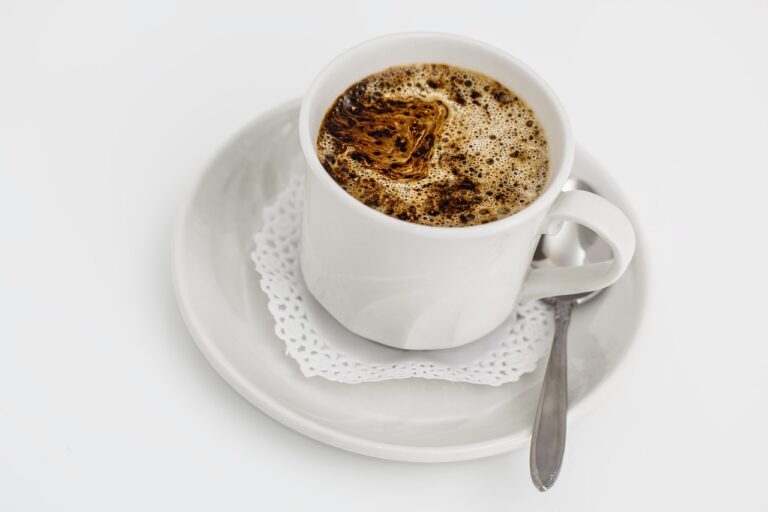
Regular coffee generally refers to coffee prepared using traditional brewing methods, such as drip coffee makers, pour-over equipment, or French presses.
The preparation process involves mixing ground coffee beans with hot water to extract their flavour, aroma, and other natural compounds.
Depending on the brewing method, coffee may take several minutes to prepare.
Regular brewed coffee is usually served in larger quantities than espresso. A standard serving may range from approximately 8 to 12 ounces, although serving sizes vary between coffee shops and households.
Its taste depends on several factors, including the type of coffee beans, roasting level, water temperature, grind size, and brewing time.
Regular coffee can have different flavour characteristics, including chocolate, caramel, fruity, nutty, and floral notes.
Some people prefer drinking it black, while others add milk, cream, sugar, or other flavourings.
Main Characteristics of Regular Coffee
- Prepared using methods such as drip brewing, pour-over, and French press.
- Usually served in larger quantities.
- Generally has a less concentrated taste than espresso.
- Can have mild, balanced, or strong flavours.
- Contains caffeine, although the amount varies.
- Can be enjoyed black or with milk and sweeteners.
What Is Espresso?
Espresso is a concentrated coffee beverage prepared by forcing hot water through finely ground coffee beans under pressure.
Unlike regular drip coffee, espresso is made using an espresso machine that applies pressure during extraction. The result is a small drink with an intense flavour, thicker body, and a characteristic golden-brown foam called crema.
A typical single espresso serving is approximately 1 ounce (30 millilitres), although serving sizes can vary.
Espresso is popular in coffee shops worldwide and serves as the foundation for several well-known coffee beverages. For example, cappuccino, latte, macchiato, and americano are commonly prepared using espresso.
Although espresso tastes stronger and more concentrated than regular brewed coffee, this does not automatically mean that one serving contains more caffeine.
Main Characteristics of Espresso
- Prepared using an espresso machine.
- Uses finely ground coffee beans.
- Extracted under pressure.
- Usually served in small quantities.
- Has a concentrated flavour.
- Often features a layer of crema.
- Used as the base for many popular coffee drinks.
Coffee vs Espresso: What Are the Main Differences?
The biggest difference between regular coffee and espresso is the brewing method. Both beverages come from coffee beans, but the way water interacts with the ground beans creates different results.
Here is a simple comparison:
| Feature | Regular Coffee | Espresso |
|---|---|---|
| Preparation | Drip, pour-over, French press, etc. | Hot water forced through grounds under pressure |
| Grind size | Usually medium to coarse | Fine |
| Brewing time | Usually several minutes | Commonly 20–30 seconds |
| Serving size | Usually 8–12 ounces | Usually 1–2 ounces |
| Flavour | Often lighter and less concentrated | More concentrated and intense |
| Texture | Generally lighter | Usually fuller-bodied |
| Crema | Generally absent | Usually present |
| Caffeine per ounce | Generally lower | Generally higher |
| Total caffeine per serving | Can be higher | Usually lower for a single shot |
| Common uses | Black coffee and brewed coffee drinks | Lattes, cappuccinos, americanos, and more |
These are general comparisons. Actual results depend on the beans, equipment, brewing technique, and serving size.
Coffee vs Espresso: Which Has More Caffeine?
Caffeine content is one of the most frequently discussed differences between coffee and espresso. Espresso generally contains more caffeine per ounce than regular brewed coffee because it is more concentrated.
However, regular coffee is normally served in much larger quantities. This means a full cup of brewed coffee can contain more total caffeine than a single espresso shot.
For example:
| Coffee type | Typical serving | Approximate caffeine |
|---|---|---|
| Brewed coffee | 8 ounces | 80–100 mg |
| Espresso | 1 ounce | 63 mg |
| Double espresso | 2 ounces | 126 mg |
| Decaffeinated brewed coffee | 8 ounces | 2–15 mg |
These are approximate figures, not fixed amounts. Caffeine levels vary according to coffee beans, preparation, and serving size.
Why Does Espresso Have More Caffeine Per Ounce?
Espresso uses a concentrated brewing process. Hot water passes through finely ground coffee under pressure, extracting flavour and caffeine into a relatively small amount of liquid.
Regular brewed coffee uses more water and generally produces a larger serving.
Therefore, espresso is more concentrated, but drinking a full cup of regular coffee may provide more caffeine than drinking one small espresso.
Which should you choose if you want more caffeine?
If you compare one espresso shot with a standard cup of brewed coffee, brewed coffee often contains more total caffeine.
However, drinking multiple espresso shots can quickly increase your caffeine intake.
Taste Difference Between Coffee and Espresso
Taste is another important difference between these two beverages. Although both are made from coffee beans, their brewing methods influence how their flavours are experienced.
What Does Regular Coffee Taste Like?
Regular brewed coffee generally has a smoother and less concentrated taste. Depending on the beans and brewing method, it may have:
- Chocolate notes.
- Nutty flavours.
- Fruity characteristics.
- Caramel sweetness.
- Floral aromas.
- Mild or noticeable acidity.
Because regular coffee contains more water relative to the amount of coffee used, its flavour is generally less concentrated than espresso.
This makes it a popular choice for people who enjoy slowly drinking a larger cup of coffee.
What Does Espresso Taste Like?
Espresso usually has a more intense and concentrated flavour. Its common characteristics include:
- Rich coffee flavour.
- Strong aroma.
- Fuller body.
- Noticeable bitterness in some preparations.
- Sweet, chocolate, or fruity notes.
- A creamy mouthfeel.
The crema on top of espresso also contributes to its appearance and overall drinking experience. However, good espresso should not necessarily taste excessively bitter. The quality of the beans, roast, grind size, and extraction process all influence the final result.
Which tastes better?
There is no universal winner.
If you prefer a smoother beverage that you can enjoy over a longer period, regular coffee may suit you.
If you enjoy a concentrated drink with an intense flavour, espresso may be the better choice.
How Are Coffee and Espresso Prepared?
The preparation process is one of the most important differences between regular coffee and espresso.
How Regular Coffee Is Made
Regular brewed coffee can be prepared using several methods.
- Drip Coffee: Water is heated and passed through ground coffee held in a filter. The brewed coffee collects in a container below. This is one of the most common methods used in homes and offices.
- French Press: Ground coffee is mixed with hot water and allowed to steep for several minutes. A metal filter is then pressed down to separate the grounds from the liquid. This method often produces a fuller-bodied beverage.
- Pour-Over Coffee: Hot water is slowly poured over ground coffee in a filter. The water extracts flavour as it passes through the coffee grounds. This method gives the person preparing the coffee greater control over brewing time and water flow.
How Espresso Is Made
Espresso requires an espresso machine. The process generally involves:
- Grinding coffee beans into a fine consistency.
- Measuring the ground coffee into a filter basket.
- Distributing and tamping the coffee evenly.
- Locking the portafilter into the machine.
- Forcing hot water through the coffee under pressure.
- Collecting the concentrated espresso in a cup.
A properly prepared espresso usually has a rich appearance, concentrated flavour, and a layer of crema.
Although espresso machines are the traditional equipment for making espresso, the quality of the result depends heavily on proper grinding, preparation, and extraction.
Are Espresso Beans Different From Regular Coffee Beans?
This is a common question among people who are new to coffee. The simple answer is no. Espresso does not require a special species of coffee bean.
The same coffee beans used for regular brewed coffee can also be used to prepare espresso.
However, coffee companies sometimes sell products labelled “espresso roast” or “espresso beans.” These labels usually describe the intended roasting style or recommended brewing use rather than a completely different type of coffee bean.
Espresso blends are often developed to produce a balanced and concentrated flavour when prepared under pressure.
Some roasters use medium or dark roasts because they can produce familiar chocolate, caramel, and toasted flavour characteristics.
However, lighter roasts can also make excellent espresso when properly prepared. The important thing is to understand that espresso describes the preparation method, not a specific coffee species.
Coffee vs Espresso: Which Is Stronger?
If strength refers to flavour concentration, espresso is generally stronger than regular brewed coffee. It has less water relative to the amount of extracted coffee, producing a more concentrated beverage.
However, if strength refers to total caffeine, the answer depends on serving size. A single espresso shot may contain less total caffeine than a standard cup of brewed coffee.
For example, an 8-ounce cup of brewed coffee may contain around 80–100 mg of caffeine, while a single espresso shot may contain approximately 63 mg.
Therefore, it is important to distinguish between flavour strength and caffeine strength. Espresso tastes stronger, but a regular cup of coffee may deliver more caffeine overall.
Coffee vs Espresso: Which Has More Calories?
Plain coffee and espresso are both naturally low in calories. Their calorie content mainly comes from small amounts of naturally occurring compounds extracted from coffee beans.
A typical serving of black brewed coffee contains approximately 2–5 calories. A single shot of plain espresso also contains only a few calories. The difference becomes more noticeable when additional ingredients are introduced.
For example:
- Black coffee contains very few calories.
- Espresso without additions contains very few calories.
- Coffee with sugar contains additional calories.
- Lattes contain calories from milk.
- Flavoured coffee drinks may contain substantial added sugar.
- Sweetened espresso beverages can be considerably higher in calories.
If you want to manage your calorie intake, pay attention to added sugar, cream, syrups, and portion sizes rather than focusing only on whether the beverage is coffee or espresso.
Which Is Healthier: Coffee or Espresso?
Both regular coffee and espresso can fit into a balanced lifestyle when consumed in moderation.
They contain caffeine and naturally occurring compounds, including antioxidants. Research has associated moderate coffee consumption with several potential health benefits.
However, neither beverage should be treated as a medicine or a replacement for healthy lifestyle habits.
Potential Benefits of Regular Coffee
Regular brewed coffee may:
- Temporarily improve alertness.
- Support concentration.
- Provide naturally occurring antioxidant compounds.
- Help people feel more awake.
- Offer a low-calorie alternative to sugar-rich beverages when consumed black.
Potential Benefits of Espresso
Espresso contains many of the same naturally occurring compounds found in regular coffee. Its potential benefits include:
- Temporary improvements in alertness.
- Support for concentration.
- Contribution of antioxidants to the diet.
- A concentrated coffee experience without requiring a large serving.
Can Drinking Too Much Coffee Be Harmful?
Yes. Excessive caffeine consumption can cause unwanted effects, including:
- Difficulty sleeping.
- Nervousness and anxiety.
- Headaches.
- Digestive discomfort.
- Increased heart rate.
- Restlessness.
According to the United States Food and Drug Administration (FDA), up to 400 mg of caffeine daily is generally not associated with negative effects in most healthy adults.
However, individual sensitivity varies. Pregnant women are generally advised to limit caffeine to less than 200 mg daily, following guidance from the American College of Obstetricians and Gynecologists.
People with certain medical conditions or those taking specific medications may need lower amounts.
The healthiest option is the one that fits your personal needs and allows you to enjoy coffee without unwanted effects.
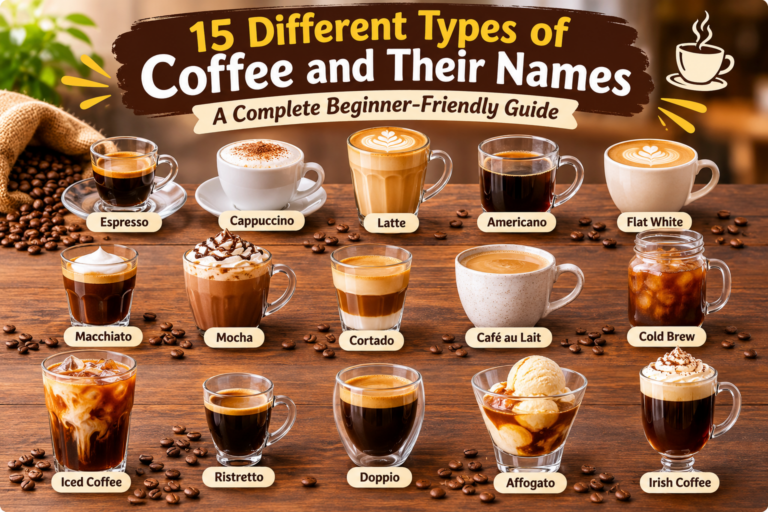
Popular Coffee Drinks Made With Espresso
One reason espresso is so popular is that it serves as the foundation for many well-known coffee beverages.
Here are some examples:
- Espresso: A small, concentrated coffee served without additional milk or water.
- Americano: Prepared by adding hot water to espresso. It has a flavour closer to regular brewed coffee but starts with an espresso base.
- Latte: Made with espresso and steamed milk, usually with a small amount of milk foam.
- Cappuccino: Combines espresso, steamed milk, and milk foam in a balanced preparation.
- Macchiato: Traditionally consists of espresso with a small amount of milk or milk foam.
- Mocha: Combines espresso, chocolate, and milk to produce a sweet, chocolate-flavoured coffee drink.
These beverages demonstrate how one espresso shot can be used to create several different drinks.
Can You Make Espresso Without an Espresso Machine?
A traditional espresso machine is designed to produce the pressure required for espresso extraction.
However, there are alternative coffee-making devices that can produce strong, concentrated coffee. For example, a Moka pot uses steam pressure to push water through ground coffee, producing a rich coffee concentrate.
An AeroPress can also produce a concentrated coffee beverage depending on the recipe. However, these methods do not produce true espresso because they do not replicate the same pressure and extraction conditions as a traditional espresso machine.
If you do not own an espresso machine, these alternatives can still provide an enjoyable coffee experience.
Which Should You Drink: Coffee or Espresso?
The best choice depends on your taste, lifestyle, and how much caffeine you want to consume.
Choose regular brewed coffee if:
- You enjoy drinking coffee slowly.
- You prefer larger servings.
- You like a smoother and less concentrated taste.
- You want a simple beverage for your morning routine.
- You enjoy drip, French press, or pour-over preparation.
Choose espresso if:
- You prefer a small, concentrated beverage.
- You enjoy intense coffee flavours.
- You like making lattes or cappuccinos.
- You want a coffee base for different speciality drinks.
- You enjoy the traditional espresso experience.
You do not necessarily have to choose one permanently. Many coffee lovers enjoy regular coffee at home and espresso-based drinks when visiting coffee shops.
Frequently Asked Questions About Coffee vs Espresso
1. Is espresso stronger than regular coffee?
Yes, espresso is generally stronger in flavour and more concentrated per ounce. However, regular brewed coffee may contain more total caffeine because it is usually served in larger quantities.
2. Does espresso have more caffeine than coffee?
Espresso generally contains more caffeine per ounce. However, a single espresso shot usually contains less total caffeine than a standard cup of brewed coffee.
3. Can regular coffee beans be used for espresso?
Yes. Regular coffee beans can be used to make espresso. However, you need an appropriate grind size and espresso machine to prepare traditional espresso.
4. Is espresso healthier than regular coffee?
Neither is automatically healthier. Both contain caffeine and naturally occurring plant compounds. Your serving size, caffeine sensitivity, and preparation method are more important considerations.
5. Why is espresso served in small cups?
Espresso is a concentrated beverage. Its small serving size allows people to enjoy its intense flavour without requiring a large volume of liquid.
6. Can espresso help you stay awake?
Yes. Espresso contains caffeine, which temporarily stimulates the central nervous system and can improve alertness. However, its effects depend on the amount consumed and your individual sensitivity.
7. Is Americano the same as regular coffee?
No. An Americano is made by adding hot water to espresso. Regular brewed coffee is prepared by extracting ground coffee through methods such as drip brewing or pour-over.
Although they may look similar, their preparation methods and flavour characteristics can differ.
8. Does espresso have less acid than regular coffee?
Not necessarily. The acidity of coffee depends on several factors, including bean variety, origin, roasting, and brewing method. Espresso is more concentrated, so its acidity may be perceived differently from regular coffee.
9. Can I drink espresso every day?
Most healthy adults can enjoy espresso daily in moderation, provided their total caffeine intake remains within an appropriate limit. Remember to account for caffeine from other beverages and foods.
10. Is espresso just strong black coffee?
Espresso is concentrated coffee, but it is not simply regular black coffee made stronger. Its preparation involves forcing hot water through finely ground coffee under pressure, creating a distinctive texture, flavour, and crema.
Conclusion
When comparing coffee vs espresso, the most important difference is how each beverage is prepared.
Regular coffee is commonly made using drip, pour-over, and French press methods, producing a larger serving with a generally less concentrated flavour.
Espresso is prepared by forcing hot water through finely ground coffee under pressure, creating a smaller, richer, and more concentrated drink.
Although espresso contains more caffeine per ounce, a regular cup of brewed coffee can contain more caffeine overall because of its larger serving size.
Both beverages have their advantages, and neither is automatically better.
If you enjoy a smooth drink that you can sip throughout the day, regular coffee may be the right choice. If you prefer concentrated flavours and enjoy speciality coffee drinks, espresso may be more suitable.
You can also enjoy both depending on your mood and daily routine.
Ultimately, the best choice between coffee and espresso comes down to your personal taste, preferred brewing method, and caffeine needs.