Best Coffee for Home Use: How to Choose the Perfect Coffee for Your Everyday Brew
Choosing the best coffee for home use can make a big difference in how you enjoy your mornings. Whether you love a strong cup of black coffee, a smooth cappuccino, a creamy latte, or a simple cup of instant coffee, the right coffee can help you enjoy café-quality drinks without leaving your kitchen.
However, with so many coffee brands, flavours, roast levels, and brewing methods available, choosing the right coffee for home use can feel confusing. Some coffees are strong and bold, while others are light, smooth, fruity, or slightly sweet. There are also different options, including whole coffee beans, ground coffee, instant coffee, and coffee pods.
The good news is that you do not need an expensive coffee machine or professional barista skills to enjoy good coffee at home. You simply need to understand your preferences, choose the right coffee, and use a brewing method that suits your lifestyle.
In this guide, we will explore the best coffee for home use, the different types of coffee available, how to choose the right roast, and practical tips for making better coffee in your kitchen.
What Is the Best Coffee for Home Use?
The best coffee for home use depends on your taste preferences, budget, brewing equipment, and how much time you want to spend preparing your coffee.
For most people, medium-roast Arabica coffee is an excellent starting point because it generally offers a balanced flavour, pleasant aroma, and moderate acidity. It works well with several brewing methods, including drip coffee makers, French presses, pour-over devices, and some espresso machines.
However, other options may be better depending on what you enjoy. Here is a simple breakdown:
- Best overall choice: Medium-roast Arabica coffee.
- Best for strong coffee: Dark-roast coffee or a suitable espresso blend.
- Best for beginners: Medium-roast ground coffee.
- Best for convenience: Quality instant coffee.
- Best for freshness: Whole coffee beans ground before brewing.
- Best for milk-based drinks: Espresso blends or medium-to-dark roasts.
- Best for budget-conscious coffee lovers: Good-quality supermarket ground coffee.
There is no single coffee that is perfect for everyone. The best option is the one that delivers the flavour, convenience, and value you want.
Understanding the Different Types of Coffee for Home Use
Before buying coffee, it is important to understand the main types available. Each has its own advantages, and knowing the differences can help you avoid spending money on something that does not suit your needs.
1. Whole Coffee Beans
Whole coffee beans are a popular choice among people who enjoy fresh, flavourful coffee.
Unlike pre-ground coffee, whole beans retain more of their aroma because they are not exposed to as much air during storage. Grinding them immediately before brewing can help preserve their natural fragrance and flavour.
Whole beans are available in different varieties, roast levels, and flavour profiles.
Advantages of whole coffee beans:
- They offer excellent freshness when stored properly.
- You can adjust the grind size for different brewing methods.
- They provide greater control over coffee preparation.
- They are suitable for espresso machines, French presses, and pour-over brewing.
Disadvantages:
- You need a coffee grinder.
- Preparing coffee takes slightly more time.
- Good grinders can increase your initial spending.
Whole coffee beans are an excellent choice if you enjoy experimenting with coffee and want to improve the quality of your homemade drinks.
2. Ground Coffee
Ground coffee is one of the most convenient options for everyday home brewing.
It is already ground, meaning you can prepare your coffee without purchasing a separate grinder. Simply measure the required amount, add water, and brew using your preferred coffee maker.
Ground coffee comes in different grind sizes. Some are suitable for drip coffee machines, while others are designed for espresso makers or French presses.
Choosing the correct grind size matters because it affects how quickly water extracts flavour from the coffee.
Advantages of ground coffee:
- Easy to prepare.
- Usually more affordable than buying whole beans and a grinder.
- Available in many flavours and roast levels.
- Suitable for beginners.
Disadvantages:
- It can lose freshness faster than whole beans.
- You have less control over grind size.
- Some products may not match your brewing equipment.
For most beginners, good-quality ground coffee is a practical starting point.
3. Instant Coffee
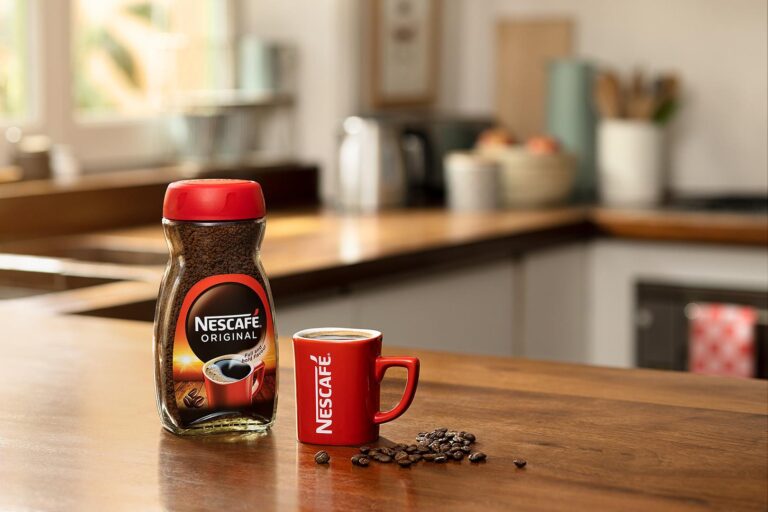
Instant coffee is ideal for people who want a quick cup without complicated preparation.
It is made from brewed coffee that has been processed into soluble granules or powder. When you add hot water, it dissolves and produces a ready-to-drink beverage.
Instant coffee is particularly useful in busy households, offices, and situations where convenience matters more than experimenting with brewing techniques.
Advantages:
- Very quick to prepare.
- No coffee machine required.
- Easy to store.
- Usually affordable.
- Available in jars, sachets, and different flavour options.
Disadvantages:
- It may offer less flavour complexity than freshly brewed coffee.
- Quality varies between brands.
- Some flavoured instant coffee products contain added sugar or creamer.
If you have a busy morning routine, instant coffee can be an excellent option for everyday use.
4. Coffee Pods and Capsules
Coffee pods and capsules are designed for people who want consistent coffee with minimal effort.
They contain pre-measured coffee portions that work with compatible coffee machines. You simply insert a capsule or pod, select your preferred setting, and let the machine prepare your drink.
They are available in different strengths, roast levels, and flavours.
Advantages:
- Convenient and easy to use.
- Consistent portions.
- Minimal preparation and cleaning.
- Suitable for people who enjoy espresso-style drinks.
Disadvantages:
- You need a compatible machine.
- Capsules may cost more per serving.
- Some systems create additional packaging waste.
- You may be limited to compatible products.
Coffee pods are worth considering if convenience and consistency are your priorities.
Arabica vs Robusta: Which Coffee Is Better for Home Use?
When shopping for the best coffee for home use, you will often come across two major coffee species: Arabica and Robusta.
Understanding their differences can help you select coffee that matches your preferred taste.
Arabica Coffee
Arabica coffee is widely appreciated for its diverse and often complex flavour. Depending on its origin, processing method, and roast level, it can have notes of chocolate, caramel, nuts, berries, or citrus.
It is often smoother and more aromatic than Robusta, although the actual flavour depends on the individual coffee.
Arabica is a good option if you enjoy:
- Balanced and smooth coffee.
- Pleasant aromas.
- More varied flavour profiles.
- Coffee with moderate bitterness.
Robusta Coffee
Robusta coffee is generally stronger and more bitter than Arabica. It typically contains more caffeine and often produces a fuller-bodied cup. It is also commonly used in espresso blends because it can contribute body and crema.
Robusta may suit you if you prefer:
- Stronger-tasting coffee.
- A more intense flavour.
- Higher caffeine content.
- Affordable everyday coffee.
Which Should You Choose?
If you are new to brewing coffee at home, medium-roast Arabica is a sensible starting point. If you prefer a stronger, more intense cup, consider Robusta or an Arabica-Robusta blend. Neither type is automatically better. Your personal preference should determine your choice.
Understanding Coffee Roast Levels
Coffee roast level is another important factor when choosing the best coffee for your kitchen. Roasting involves heating green coffee beans to develop their flavour, aroma, colour, and other characteristics.
There are three common roast categories.
Light Roast
Light-roast coffee is generally roasted for a shorter period than medium and dark roasts.
It often retains more of the coffee’s origin characteristics, which can include fruity, floral, citrus, or delicate flavours.
Light roasts may have noticeable acidity and are popular among people who enjoy exploring different coffee origins. They work particularly well with pour-over and other filter brewing methods.
Medium Roast
Medium-roast coffee offers a balance between the natural characteristics of the beans and flavours developed during roasting.
Depending on the beans, it may have chocolate, caramel, nutty, or mild fruity notes.
This roast is a popular everyday option because it is versatile and works with several brewing methods. If you are unsure which coffee to buy, medium roast is a good place to begin.
Dark Roast
Dark-roast coffee is roasted for longer, producing darker beans and often a bolder, more pronounced flavour.
It may have smoky, roasted, bittersweet, or chocolate-like characteristics.
Dark roasts are suitable for people who enjoy a more intense-tasting cup, particularly when preparing coffee with milk.
One important point: a darker roast does not automatically mean more caffeine. The caffeine difference between roast levels is generally modest, and serving size and measurement method also matter.
Best Coffee Brewing Methods for Home Use
Buying good coffee is only part of the process. Your brewing method also influences the final taste.
Fortunately, there are several ways to prepare excellent coffee at home without spending a fortune.
1. French Press
The French press is one of the simplest ways to prepare rich, full-bodied coffee.
It uses immersion brewing, meaning ground coffee stays in hot water for several minutes before being separated using a metal filter.
The metal filter allows more natural coffee oils and fine particles into the cup, creating a fuller texture.
How to use a French press:
- Add medium-coarse ground coffee to the press.
- Pour hot water over the coffee.
- Allow it to steep for approximately four minutes.
- Press the plunger down slowly.
- Pour and enjoy.
The French press is an affordable option for households that enjoy freshly brewed coffee without complicated equipment.
2. Drip Coffee Maker
A drip coffee maker is a practical choice for households that prepare several cups of coffee daily.
It works by heating water and allowing it to pass through ground coffee in a filter. The brewed coffee collects in a pot or carafe underneath.
Drip machines are easy to operate, and many models include automatic brewing features. They are particularly useful if you want to prepare multiple servings without standing beside the machine.
3. Pour-Over Coffee
Pour-over brewing involves manually pouring hot water over ground coffee placed inside a filter.
This method gives you greater control over water distribution, brewing time, and coffee strength. It is popular among people who enjoy a clean, aromatic cup and want to experiment with different beans.
You do not need an expensive setup. A basic dripper, paper filters, a kettle, and ground coffee are enough to get started.
4. Espresso Machine
An espresso machine forces hot water through finely ground coffee under pressure. The result is a concentrated coffee drink that can be enjoyed alone or used as the foundation for other beverages. Espresso is commonly used to prepare:
- Cappuccino.
- Latte.
- Americano.
- Macchiato.
- Flat white.
Espresso machines are useful if you regularly enjoy café-style drinks at home.However, they generally require more investment, cleaning, and practice than simpler brewing methods.
5. Instant Coffee Preparation
Instant coffee requires very little equipment. Add the recommended amount of coffee granules to a cup, pour in hot water, stir, and enjoy.
You can adjust the quantity to suit your preferred strength. It is one of the easiest ways to enjoy coffee when you do not have a coffee maker.
How to Choose the Best Coffee for Your Home
With so many options available, making the right decision can be difficult. The following factors can help you choose coffee that suits your household.
Consider Your Taste Preference
Start by thinking about the type of coffee you enjoy.
Do you prefer smooth and mild coffee, or do you enjoy a bold and intense flavour?
If you prefer a balanced taste, try medium-roast Arabica.
If you like stronger coffee, explore dark roasts or blends containing Robusta.
If you enjoy delicate and fruity flavours, consider light-roast specialty coffee.
Consider Your Budget
You do not have to buy expensive specialty coffee to enjoy a satisfying cup at home.
Compare the cost per serving rather than looking only at the price of the package.
A larger bag may offer better value, but only if you can use it before the coffee loses its freshness.
Also consider additional expenses, such as grinders, coffee machines, filters, and capsules.
Check the Roast Date
Freshness is important when buying coffee, particularly whole beans and ground coffee.
Look for products that display a roast date rather than relying only on a best-before date.
For whole beans, allow freshly roasted coffee an appropriate resting period before brewing, especially for espresso.
Once opened, store coffee in an airtight container away from heat, moisture, and direct sunlight.
Match Coffee to Your Equipment
Your brewing equipment should influence the coffee you purchase.
For example:
- French press: Coarse-ground coffee.
- Drip coffee maker: Medium-ground coffee.
- Pour-over: Medium to medium-fine coffee, depending on the dripper.
- Espresso machine: Fine-ground coffee.
- Instant coffee: No grinder or brewing machine required.
Using the wrong grind size can result in weak, bitter, or unbalanced coffee.
Read the Product Label
Before purchasing, check the packaging for useful information.
Look for:
- Coffee species.
- Country or region of origin.
- Roast level.
- Grind size.
- Roast or packaging date.
- Recommended brewing method.
- Ingredients, particularly for flavoured products.
These details can help you make a more informed buying decision.
How to Make Coffee Taste Better at Home
Even affordable coffee can taste much better when prepared correctly. Here are practical tips to improve your daily coffee experience.
1. Use fresh water
Coffee is mostly water, so its quality affects the final taste. Use clean, fresh drinking water rather than water with unpleasant odours or flavours.
2. Measure your coffee
Avoid guessing how much coffee to use. A useful starting point is approximately 15 grams of coffee for every 250 grams of water.
You can adjust this ratio depending on your preferred strength and brewing method.
3. Use the correct water temperature
Water that is too hot or too cold can affect flavour extraction. For many manual brewing methods, water around 90–96°C is a useful starting range.
You do not necessarily need a special kettle. Simply allow boiling water to cool briefly before brewing.
4. Grind coffee before brewing
If you use whole beans, grind only the quantity you need.
Freshly ground coffee generally produces a more aromatic cup than coffee that has been ground and stored for long periods.
5. Clean your coffee equipment
Coffee oils and leftover particles can build up inside brewing equipment. Wash your French press, coffee filters, carafes, and removable machine parts regularly according to the manufacturer’s instructions.
6. Experiment with milk and sweeteners
If you enjoy creamy coffee, try adding milk, oat milk, or another suitable alternative. You can also adjust sweetness using sugar, honey, or flavoured syrups.
However, remember that flavoured coffee products and additions may contain extra sugar and calories.
Common Mistakes to Avoid When Buying Coffee for Home Use
Many people spend money on coffee without considering the factors that influence quality and taste. Avoid these common mistakes:
Buying coffee based only on price: Cheap coffee is not always bad, and expensive coffee is not always better. Compare ingredients, freshness, roast information, and customer feedback.
Ignoring grind size: Coffee that is too finely or coarsely ground for your brewing method may produce disappointing results.
Buying more coffee than you need: Large packages may appear economical, but coffee can lose aroma and freshness after opening.
Storing coffee in the wrong place: Avoid keeping coffee beside ovens, sinks, or other sources of heat and moisture.
Assuming dark roast means more caffeine: Roast level is not a reliable way to determine caffeine content.
Choosing equipment before understanding your needs: You do not need an expensive espresso machine if you only enjoy one simple cup of filter coffee every morning.
Is Expensive Coffee Worth Buying for Home Use?
Not necessarily. Premium coffee can offer distinctive flavours, carefully selected beans, and detailed information about origin and processing.
However, whether it is worth the additional cost depends on your preferences. If you enjoy exploring coffee flavours, specialty beans may provide an interesting experience.
If you simply want an enjoyable cup every morning, an affordable medium-roast coffee may be more than sufficient.
The best approach is to try different products in small quantities before committing to larger purchases. This allows you to discover what you like without wasting money.
How to Store Coffee Properly at Home
Proper storage helps maintain coffee quality for longer. Coffee is sensitive to oxygen, moisture, heat, and light. Exposure to these elements can gradually reduce its aroma and flavour.
Follow these simple storage practices:
- Keep coffee in an airtight container.
- Store it in a cool, dry cupboard.
- Avoid direct sunlight.
- Keep it away from strong-smelling foods.
- Close the packaging properly after each use.
- Purchase quantities you can reasonably consume while the coffee remains fresh.
For everyday use, a sealed container in a kitchen cupboard is usually sufficient.
Freezing coffee can be useful for longer-term storage when done correctly, particularly for whole beans. Divide it into airtight portions and avoid repeatedly exposing the same portion to temperature changes and condensation.
Frequently Asked Questions About the Best Coffee for Home Use
1. What is the best coffee for beginners?
Medium-roast ground Arabica coffee is an excellent starting point for beginners. It generally offers a balanced flavour and works with several brewing methods. Instant coffee is another suitable option if convenience is your main priority.
2. Which coffee is best for everyday drinking?
The best everyday coffee depends on your taste and budget. Medium-roast coffee is a versatile choice because it can provide a balanced flavour without being excessively bitter or intense.
3. Is Arabica better than Robusta?
Arabica is often preferred for its varied flavour and aroma, while Robusta is known for its stronger, more bitter taste and generally higher caffeine content. Neither is universally better.
4. Is ground coffee better than instant coffee?
Ground coffee generally offers more control over flavour and brewing, while instant coffee is faster and easier to prepare. The better option depends on your lifestyle and preferences.
5. What is the best coffee roast for home use?
Medium roast is a good all-purpose choice for most beginners. Light roast suits people who enjoy brighter flavours, while dark roast is popular with those who prefer bold, roasted flavours.
6. Can I make good coffee without a coffee machine?
Yes. You can prepare excellent coffee using a French press, pour-over dripper, stovetop coffee maker, or even a simple instant coffee product.
7. How much coffee should I use per cup?
A useful starting point is 15 grams of ground coffee for approximately 250 grams of water. You can adjust the quantity to achieve your preferred strength.
8. How long does coffee stay fresh after opening?
Freshness depends on the coffee type, packaging, and storage conditions. Whole beans generally retain their quality longer than ground coffee. For the best flavour, buy manageable quantities, seal the packaging properly, and follow the manufacturer’s storage guidance.
9. Is dark coffee stronger than light coffee?
Dark-roast coffee often tastes stronger because of its bold, roasted flavour. However, taste intensity does not necessarily mean higher caffeine content.
10. What should I look for when buying coffee online?
Check the roast level, coffee species, grind size, roast date, package size, seller reputation, and customer reviews. Also confirm that the coffee is suitable for your brewing equipment.
Final Thoughts
Finding the best coffee for home use does not have to be complicated or expensive. The secret is understanding what you enjoy and choosing coffee that fits your daily routine.
If you are just starting, medium-roast Arabica coffee is a practical choice because of its balanced flavour and versatility. Whole beans are worth considering if freshness and flavour control are important to you, while ground coffee offers convenience without requiring additional equipment. Instant coffee remains an excellent option for busy mornings.
Remember that the quality of your homemade coffee depends on more than the brand you purchase. Freshness, water quality, grind size, brewing temperature, and proper storage all contribute to the final result.
Start with a coffee that matches your budget and taste preferences. Experiment with different roast levels and brewing methods, and pay attention to what you enjoy most.
With a little practice, you can create a satisfying coffee routine at home and enjoy a delicious cup whenever you want.
The best coffee is ultimately the one you love drinking every day.