
Best Coffee for Beginners: A Simple Guide to Choosing Your First Cup of Coffee
Have you ever wanted to start drinking coffee but felt confused by the many choices available? From espresso and cappuccino to latte, cold brew, and instant coffee, there are countless coffee options to explore. If you are new to coffee, choosing the right one can feel overwhelming.
The good news is that you do not need to understand complicated brewing methods or buy expensive equipment to enjoy a good cup of coffee. Starting with the right coffee can make your experience more enjoyable and help you discover the flavours you love.
The best coffee for beginners is usually smooth, mild, easy to prepare, and not excessively bitter. Popular starting options include latte, cappuccino, medium-roast coffee, instant coffee, and cold brew.
In this guide, you will learn about the best coffee for beginners, how to choose coffee beans, which brewing methods are easiest, and how to make your first cup taste better. Whether you prefer coffee with milk, a little sweetness, or a simple black cup, there is an option for you.
What Is the Best Coffee for Beginners?
The best coffee for beginners depends on personal taste. However, smooth and mild coffee varieties are generally easier to enjoy than very strong or intensely bitter options.
If you have never tried coffee before, consider starting with these choices:
- Latte: A combination of espresso and steamed milk. It has a creamy texture and a mild coffee flavour.
- Cappuccino: Made with espresso, steamed milk, and milk foam. It has a more noticeable coffee taste than a latte.
- Medium-roast coffee: Offers a balanced flavour without the intense characteristics sometimes associated with dark roasts.
- Cold brew: Coffee steeped in cold water for several hours. It often tastes smooth and less sharp than some hot brewing methods.
- Instant coffee: A convenient and affordable option that requires little preparation.
- Mocha: Combines coffee, milk, and chocolate for a sweeter introduction to coffee.
For most beginners, a latte or medium-roast coffee is an excellent starting point. Both allow you to experience coffee without immediately dealing with an overwhelming flavour.
1. Latte: A Great First Coffee for Beginners
A latte is one of the most popular coffee drinks for people who are new to coffee.
It is traditionally made using espresso and steamed milk, with a small amount of milk foam on top. The milk softens the coffee’s natural bitterness and creates a smooth, creamy drink.
One reason beginners enjoy lattes is that the coffee flavour is present without being too strong. You can also customise your drink with different types of milk or a small amount of sweetener.
Why beginners may enjoy lattes:
- Smooth and creamy texture.
- Mild coffee flavour.
- Easy to customise.
- Available in most coffee shops.
- Works with dairy and many plant-based milk alternatives.
If you are trying coffee for the first time, a regular latte is worth considering. You can start without added sugar and adjust the sweetness according to your preference.
2. Cappuccino: For Beginners Who Want More Coffee Flavour
A cappuccino is another excellent choice, especially if you want something stronger than a latte.
It is traditionally prepared using espresso, steamed milk, and a generous layer of milk foam. The foam gives the drink a light texture, while the espresso provides a more noticeable coffee taste.
Compared with a latte, a cappuccino generally contains less milk relative to its coffee base. This means you may notice more of the espresso’s flavour.
Cappuccino is a good option for beginners who enjoy creamy drinks but want to gradually become familiar with the natural taste of coffee.
What makes cappuccino a good choice?
- Balanced combination of coffee and milk.
- Rich, foamy texture.
- More noticeable coffee flavour than a typical latte.
- Can be enjoyed without added sweeteners.
If you find cappuccino too strong at first, try a latte and return to cappuccino when your taste preferences develop.
3. Medium-Roast Coffee: The Best Coffee Beans for Beginners
If you want to prepare coffee at home, medium-roast coffee beans are a practical starting point.
Coffee beans are commonly classified as light, medium, or dark roast. These categories describe how long the beans have been roasted and the flavour characteristics that may develop during roasting.
Medium-roast coffee often offers a balance between acidity, sweetness, aroma, and body.
Depending on the beans and their origin, you may notice flavours such as chocolate, nuts, caramel, or mild fruit.
Medium-roast coffee is especially useful for beginners because it allows you to explore coffee’s natural characteristics without immediately choosing an intensely roasted option.
Benefits of medium-roast coffee:
- Balanced flavour profile.
- Suitable for several brewing methods.
- Often offers pleasant chocolate or nutty notes.
- Works well with or without milk.
- Available in whole-bean and ground varieties.
When purchasing coffee, check the packaging for the roast level, roast date, and flavour notes. These details can help you choose a coffee that matches your preferences.
4. Cold Brew: A Smooth Option for New Coffee Drinkers
Cold brew is made by steeping ground coffee in cold or room-temperature water for an extended period, usually around 12 to 24 hours.
Unlike traditional hot coffee, cold brew uses time rather than heat to extract flavour from the coffee grounds.
The result is often a smooth drink with a less sharp or acidic-tasting profile, although the actual flavour depends on the beans, grind size, water, and preparation time.
Cold brew is particularly enjoyable during warm weather. It can be served over ice, with milk, or with a little sweetener.
Why cold brew is worth trying:
- Smooth and refreshing taste.
- Easy to serve chilled.
- Can be prepared at home.
- Works with different coffee beans.
- Convenient to prepare in batches.
One important thing to remember is that cold brew can contain considerable caffeine, especially when prepared as a concentrate. Check the serving strength rather than assuming that a smoother taste means less caffeine.
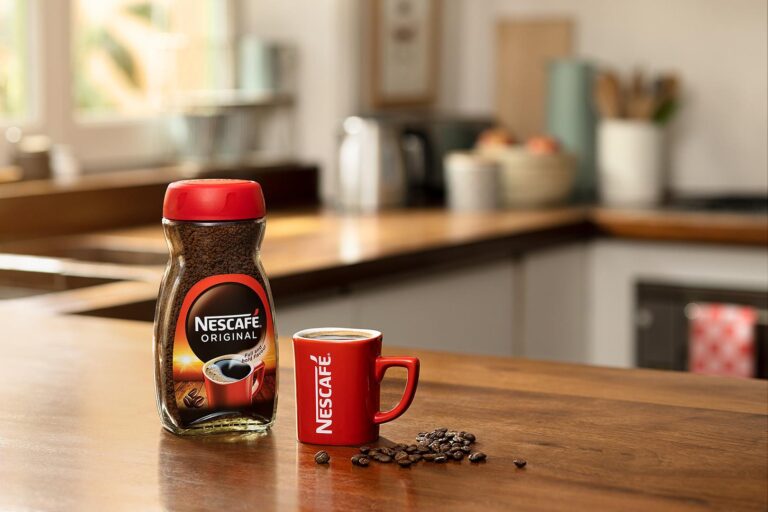
5. Instant Coffee: The Easiest Coffee for Beginners at Home
If you want to start drinking coffee without purchasing a coffee machine, instant coffee is one of the easiest options.
Instant coffee is produced from brewed coffee that has been processed into soluble granules or powder. When you add hot water, it dissolves and becomes a ready-to-drink beverage.
It is affordable, widely available, and requires very little preparation.
For beginners, instant coffee provides an opportunity to experiment with different quantities of coffee, water, and milk.
Advantages of instant coffee:
- Quick preparation.
- Affordable compared with many coffee-making setups.
- No special brewing equipment required.
- Easy to adjust the strength.
- Convenient for home, office, and travel.
To make a simple cup, add a small amount of instant coffee to hot water, stir, and add milk if desired. Start with a modest quantity of coffee and increase it gradually until you find a flavour you enjoy.
6. Mocha: A Sweet Introduction to Coffee
If you enjoy chocolate, mocha may be one of the easiest coffee drinks to try. A mocha is generally made with espresso, chocolate, and steamed milk. Some versions also include whipped cream.
The chocolate adds sweetness and richness, helping balance the coffee flavour. Mocha is suitable for people who are curious about coffee but do not particularly enjoy strong or bitter drinks.
However, keep in mind that some commercially prepared mochas contain significant amounts of added sugar. If you are watching your sugar intake, ask for less chocolate syrup or choose a smaller serving.
Understanding Coffee Beans: Arabica vs. Robusta
When shopping for coffee, you may notice two common coffee species: Arabica and Robusta. Understanding the difference can make it easier to select coffee that suits your taste.
Arabica Coffee
Arabica coffee is widely appreciated for its varied flavour characteristics. Depending on where it is grown and how it is processed and roasted, it may have fruity, floral, chocolate, or nutty notes.
Many Arabica coffees have a relatively smooth and aromatic profile. For beginners who want to explore different flavours, Arabica is often a good starting point.
Robusta Coffee
Robusta coffee is generally known for its stronger, more intense flavour and higher caffeine content per comparable serving of coffee beans.
It is commonly used in espresso blends because it can contribute body and a substantial crema. Some beginners may find certain Robusta coffees more bitter or intense, although quality and preparation make a significant difference.
Which Should Beginners Choose?
If you are unsure, start with a good-quality medium-roast Arabica coffee. You can experiment with Robusta or Arabica-Robusta blends later as you become more familiar with different coffee flavours.
Remember that the coffee’s origin, processing, freshness, and brewing method also influence the final taste.
Light Roast vs. Medium Roast vs. Dark Roast
Another important consideration when choosing the best coffee for beginners is the roast level.
| Roast type | Common flavour characteristics | Beginner suitability |
|---|---|---|
| Light roast | Often brighter, more acidic, and delicate | Good for curious beginners |
| Medium roast | Balanced, sometimes sweet, nutty, or chocolatey | Excellent starting point |
| Dark roast | Often bold, smoky, or more bitter-tasting | Better for those who enjoy strong flavours |
There is no universal rule that light roast is weaker or dark roast contains more caffeine.
Caffeine content depends on several factors, including the coffee variety, serving size, brewing method, and how the coffee is measured.
If you are just beginning, medium roast is a sensible choice because it offers a balanced introduction to coffee.
How to Choose the Best Coffee for Your Taste
Choosing coffee becomes easier when you understand what you enjoy. Here are some practical tips to help you make a suitable choice.
1. Start With a Mild Flavour
Avoid buying several extremely strong coffee varieties before you know what you like. A medium-roast coffee or milk-based drink is a reasonable starting point.
2. Consider How You Like Your Drinks
Do you enjoy creamy beverages, refreshing drinks, or simple hot beverages? Your answer can guide your choice.
- Creamy drinks: Try latte or cappuccino.
- Sweet drinks: Consider mocha.
- Refreshing drinks: Try cold brew.
- Simple homemade drinks: Start with instant coffee.
- Balanced black coffee: Explore medium-roast coffee.
3. Check the Roast Date
Coffee gradually loses some of its freshness and aroma after roasting. When buying whole beans, look for packaging that includes a roast date. Choose recently roasted coffee and store it properly.
4. Buy Small Quantities First
You do not need to purchase a large bag of coffee immediately. Buying a smaller quantity allows you to experiment with different flavours without wasting money on something you may not enjoy.
5. Read the Flavour Description
Coffee packaging sometimes describes flavours such as caramel, chocolate, nuts, citrus, and berries.
These descriptions refer to flavour impressions rather than necessarily indicating that those ingredients have been added. Use them as a guide when choosing your first coffee.
How to Make Your First Cup of Coffee at Home
Making coffee at home does not have to be complicated. Here is a simple method using instant coffee.
What you need:
- 1 teaspoon of instant coffee.
- 200 ml of hot water.
- Milk, if desired.
- A little sugar or sweetener, if desired.
Preparation steps:
- Boil fresh drinking water.
- Allow it to cool slightly before preparing your drink.
- Place one teaspoon of instant coffee in a cup.
- Add the hot water.
- Stir until the coffee dissolves completely.
- Add milk or a small amount of sweetener if you prefer.
- Taste and adjust the strength to your liking.
You can also use this basic approach to experiment with different amounts of coffee.
If the drink tastes too strong, add more water or milk. If it tastes too weak, increase the amount of coffee slightly next time. The goal is to discover a preparation method that suits your taste.
Basic Coffee Equipment Beginners Actually Need
You do not need an expensive espresso machine to enjoy coffee at home. Depending on your preferred brewing method, a few simple items may be enough.
1. Coffee mug: A standard mug is suitable for most beginner coffee drinks.
2. Kettle: Useful for heating water when preparing instant or manually brewed coffee.
3. Measuring spoon: Helps you use consistent quantities of coffee.
4. Coffee grinder: Useful if you purchase whole coffee beans. A grinder allows you to grind the beans shortly before brewing.
5. French press: An affordable brewing device that uses immersion and a metal filter to separate coffee grounds from the finished drink.
6. Coffee filters: Necessary for certain manual brewing methods, such as pour-over coffee.
Start with the equipment needed for your preferred drink. You can purchase additional items as your interest in coffee develops.
Common Coffee Mistakes Beginners Should Avoid
Learning to enjoy coffee takes a little experimentation. However, avoiding a few common mistakes can make the process easier.
Using Too Much Coffee
Adding too much coffee can create an excessively strong drink. Begin with the recommended quantity on the packaging and adjust gradually.
Choosing Very Dark Coffee Immediately
Dark-roast coffee is not necessarily bad for beginners, but some varieties have bold, smoky, or bitter characteristics. If you are unfamiliar with coffee, a medium roast may be easier to approach.
Adding Too Much Sugar
Sugar can make coffee taste sweeter, but excessive amounts may hide its natural flavour.
Try reducing the amount gradually as you become familiar with coffee.
Using Poor-Quality Water
Water makes up most of a brewed cup of coffee. Its taste and quality can influence the finished drink. Use clean drinking water for better results.
Storing Coffee Incorrectly
Exposure to air, moisture, heat, and strong smells can affect coffee quality. Keep coffee in an airtight container in a cool, dry place, away from direct sunlight.
Drinking Too Much Too Quickly
Coffee contains caffeine, a stimulant that can affect sleep and cause unwanted effects in some people. Start with a small serving and pay attention to how your body responds.
Is Coffee Good for Beginners?
Coffee can be enjoyed as part of an ordinary adult diet, but it is important to understand its caffeine content.
Caffeine can temporarily increase alertness and make some people feel more awake. However, individual responses vary.
Some people experience restlessness, anxiety, headaches, stomach discomfort, or difficulty sleeping after consuming caffeine.
The US Food and Drug Administration notes that up to 400 milligrams of caffeine per day is an amount not generally associated with dangerous negative effects for most healthy adults. This is not a recommended target for everyone, and individual tolerance varies.
If you are sensitive to caffeine, consider smaller servings or decaffeinated coffee. Avoid drinking coffee too close to bedtime if it affects your sleep. Pregnant individuals and people with certain medical conditions should follow appropriate medical guidance regarding caffeine consumption.
Coffee is not a substitute for adequate sleep, balanced nutrition, or proper hydration.
Best Coffee for Beginners in Nigeria
Coffee preferences and availability vary across countries, and Nigeria is no exception.
If you are starting your coffee journey in Nigeria, you can explore locally available instant coffee, packaged ground coffee, whole beans, and coffee-shop beverages.
In cities such as Lagos, Abuja, Port Harcourt, and Warri, you may find coffee products through supermarkets, specialist retailers, online stores, and independent cafés.
For a beginner on a budget, instant coffee is a convenient starting point because it requires minimal equipment.
If you prefer freshly prepared coffee, look for medium-roast ground coffee or whole beans from a reliable seller.
You can also explore Nigerian-grown coffee. Coffee cultivation takes place in parts of the country, and locally sourced beans may offer an interesting opportunity to learn more about regional coffee production.
When buying coffee in Nigeria, consider these factors:
- Check the product’s packaging and expiry date.
- Purchase from reputable sellers.
- Look for clear information about the coffee’s origin.
- Compare the quantity and price before purchasing.
- Choose products that match your preferred flavour.
- Store your coffee away from moisture and excessive heat.
You do not have to purchase imported or expensive coffee to begin. A good-quality, affordable product that you enjoy is a perfectly reasonable choice.
Frequently Asked Questions About the Best Coffee for Beginners
1. What is the easiest coffee to drink for beginners?
Latte is often an easy starting point because its steamed milk creates a creamy texture and softens the espresso flavour. Instant coffee is another convenient option for beginners who want to prepare coffee at home.
2. Which coffee is less bitter?
There is no single coffee that is always the least bitter. However, some medium-roast Arabica coffees and properly prepared cold brews have smooth flavour profiles that beginners may enjoy.
The beans, roast, brewing method, and preparation all influence bitterness.
3. Is instant coffee good for beginners?
Yes. Instant coffee is affordable, convenient, and easy to prepare. It is an excellent way to explore coffee without purchasing special equipment.
4. Should beginners drink coffee with milk or without milk?
Either option is fine. Milk can make coffee creamier and reduce the perception of bitterness. If you want to understand the natural flavour of coffee, try a small serving without milk.
5. Is Arabica or Robusta better for beginners?
Arabica is often a good starting point because many varieties offer balanced and varied flavours. However, personal preference matters more than the species alone.
6. What is the best coffee roast for beginners?
Medium roast is generally a practical starting point because it often provides a balance of flavour, aroma, and body.
7. Can beginners drink coffee every day?
Many healthy adults can enjoy moderate amounts of coffee, but caffeine tolerance differs. Start with a small serving and consider how caffeine affects your sleep and general well-being.
8. What is the best coffee for someone who does not like bitter drinks?
A latte or mocha may be a suitable choice. These drinks combine coffee with milk or chocolate, which can make the overall flavour sweeter and smoother.
9. Is cold brew stronger than regular coffee?
It depends on how it is prepared and served. Cold brew concentrate can contain substantial caffeine, while a diluted serving may have a different caffeine content. A smooth taste does not necessarily mean a low-caffeine drink.
10. Do beginners need a coffee machine?
No. Instant coffee only requires hot water and a cup. Other simple options include a French press and pour-over equipment. You can purchase a coffee machine later if you decide to explore espresso-based drinks.
Final Thoughts
Finding the best coffee for beginners does not require expensive equipment, specialist knowledge, or an acquired taste for strong beverages.
The most important thing is to start with a coffee that matches your preferences.
If you enjoy creamy drinks, try a latte. If you want something with a stronger coffee flavour, consider cappuccino. If you prefer making coffee at home, medium-roast Arabica or instant coffee can be excellent starting points. Cold brew and mocha are also worth exploring.
Remember that everyone’s taste is different. Experiment with different coffee beans, roast levels, brewing methods, and milk options until you discover what you enjoy.
Start with small servings, pay attention to caffeine, and take your time exploring the world of coffee. Your first cup does not have to be perfect. It simply needs to be a cup you enjoy.