
Best Decaf Coffee Options: 10 Great Choices for Rich Flavor Without the Extra Caffeine
If you love the taste and aroma of coffee but want to reduce your caffeine intake, decaf coffee is an excellent option. Whether you enjoy a warm cup in the morning, an afternoon coffee break, or something comforting before bed, there are plenty of decaffeinated coffees worth trying.
Gone are the days when decaf coffee automatically meant weak, tasteless coffee. Today, many coffee producers use improved decaffeination methods to preserve the natural aroma, flavor, and richness of coffee beans. You can find decaf options in whole beans, ground coffee, instant coffee, espresso blends, and even specialty single-origin varieties.
However, choosing the right product can be confusing. Some decaf coffees have a smooth, chocolate-like flavor, while others offer fruity, nutty, or stronger roasted notes. The decaffeination process, coffee bean quality, roast level, and brewing method can all influence the final taste.
In this guide, we explore the best decaf coffee options, what makes each type different, how to choose quality decaf coffee, and what to consider before buying.
Whether you are a regular coffee drinker or someone trying to enjoy less caffeine, this article will help you find an option that suits your taste and lifestyle.
What Is Decaf Coffee?
Decaf coffee, short for decaffeinated coffee, is coffee that has had most of its natural caffeine removed before the beans are roasted.
Regular coffee naturally contains caffeine, a stimulant that can increase alertness. Some people enjoy this effect, while others prefer to reduce their caffeine consumption because of sleep difficulties, sensitivity to caffeine, or personal preferences.
Decaf provides a way to continue enjoying the familiar taste and experience of coffee without consuming as much caffeine.
However, it is important to understand that decaf does not mean completely caffeine-free. A small amount of caffeine usually remains after processing.
According to the US Food and Drug Administration (FDA), decaffeinated coffee still contains some caffeine. The exact amount depends on the coffee and how it is prepared.
This makes decaf a useful alternative for people who want to reduce their caffeine intake, although individuals who need to avoid caffeine completely should check with their healthcare professional.
Best Decaf Coffee Options to Consider
The best decaf coffee depends on your preferred flavor, brewing equipment, budget, and how you enjoy drinking coffee.
Here are ten popular options and categories worth considering when shopping for decaffeinated coffee.
1. Kicking Horse Decaf Coffee – Best for Rich, Full-Bodied Flavor
Kicking Horse Decaf is a popular option for coffee drinkers who enjoy a strong, satisfying cup without the higher caffeine content of regular coffee.
Its decaf offering is particularly appealing to people who prefer darker roasted flavors.
You can expect a richer coffee experience with deep roasted notes that work well with milk, cream, or a little sweetener.
Why consider it:
- Suitable for people who enjoy bold coffee.
- A good option for everyday brewing.
- Works well with French presses and drip coffee makers.
- An appealing choice for those who prefer dark-roast flavors.
This coffee is worth considering if you dislike thin or overly mild coffee.
2. Mount Hagen Organic Decaf – Best Organic Instant Coffee
If convenience matters to you, Mount Hagen Organic Decaf is an option worth exploring.
It is known for its organic instant coffee range, making it suitable for people who want to prepare coffee quickly without needing a grinder or coffee machine.
Simply add the recommended amount of instant coffee to hot water, stir, and enjoy.
Its convenient preparation makes it particularly useful for busy mornings, workplaces, and people who travel frequently.
Why consider it:
- Convenient instant preparation.
- Organic coffee option.
- Suitable for quick everyday coffee.
- Does not require specialist brewing equipment.
It is a practical choice if you want a straightforward decaf coffee without the extra preparation.
3. Lavazza Dek Decaf – Best for Espresso Lovers
For people who enjoy espresso, cappuccino, or latte, Lavazza Dek is another decaf option to investigate.
Lavazza is an established Italian coffee brand with a range of coffee products, including decaffeinated varieties.
Its Dek coffee is designed for people who want an espresso-style coffee experience while reducing their caffeine intake.
You can explore it for use in espresso machines and other suitable coffee-making equipment, depending on the product format.
Why consider it:
- Suitable for espresso-style drinks.
- A familiar option for fans of Italian coffee.
- Works well as a base for milk-based coffee drinks.
- Provides an alternative to regular espresso.
If you enjoy cappuccino or latte but want less caffeine, this type of decaf coffee may be worth trying.
4. illy Decaffeinated Coffee – Best for Smooth, Balanced Taste
illy Decaffeinated Coffee is worth considering if you prefer a balanced coffee experience rather than an extremely dark or bitter roast.
The brand offers decaffeinated coffee in different formats, including ground coffee and whole beans, depending on the market.
Its products are suitable for people who appreciate a smooth coffee with a refined aroma.
Why consider it:
- Suitable for people who enjoy balanced coffee flavors.
- Available in different formats.
- Works with various brewing methods.
- A good option for people who want an everyday premium coffee experience.
It is particularly worth exploring if you enjoy drinking coffee without adding too much sugar or flavoring.
5. Swiss Water Process Decaf Coffee – Best for Solvent-Free Processing
Swiss Water Process coffee is an excellent category to consider if the decaffeination method is important to you.
This process uses water, temperature, and filtration to remove caffeine from green coffee beans without adding chemical solvents during the caffeine-removal process.
The method is designed to preserve much of the coffee’s natural flavor while reducing its caffeine content.
Several coffee roasters offer beans processed using this method.
Why consider it:
- Uses a water-based decaffeination process.
- Does not rely on added chemical solvents to extract caffeine.
- Available in different roast levels.
- Suitable for people who prefer transparent processing methods.
Remember that the Swiss Water process is not a guarantee of a particular taste. The coffee’s origin, quality, roast, and freshness still matter.
6. Stumptown Trapper Creek Decaf – Best Specialty Coffee Option
For coffee enthusiasts who enjoy specialty coffee, Stumptown Trapper Creek Decaf is another product worth exploring.
Specialty coffee roasters often pay attention to the origin, quality, and roasting characteristics of their beans.
This makes specialty decaf an interesting choice for people who want something more distinctive than ordinary supermarket coffee.
Why consider it:
- An option for specialty coffee enthusiasts.
- Suitable for people interested in carefully sourced coffee.
- Offers an alternative to conventional mass-market decaf.
- Worth exploring if flavor quality is a priority.
Availability may vary depending on your country and retailer.
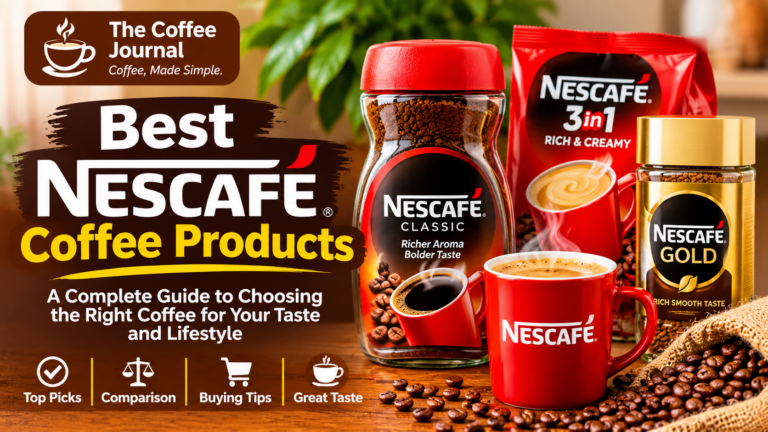
7. Nescafé Decaf Instant Coffee – Best for Everyday Convenience
Nescafé Decaf is worth considering if you want an accessible instant coffee option.
Instant decaf is especially useful when you do not have access to an espresso machine, French press, or coffee grinder.
You can prepare it in a few minutes using hot water.
It is also easy to adjust the strength according to your preference.
Why consider it:
- Quick and simple preparation.
- Convenient for home and office use.
- No special coffee equipment required.
- Suitable for people who prefer instant coffee.
It may not provide the same experience as freshly ground specialty coffee, but convenience is one of its biggest advantages.
8. Peet’s Coffee Decaf – Best for Traditional Coffee Drinkers
Peet’s Coffee offers decaffeinated varieties for people who enjoy traditional roasted coffee flavors.
Its decaf range is worth investigating if you prefer a familiar coffee taste and want an alternative to regular caffeinated blends.
Depending on the product, you can explore different formats and brewing options.
Why consider it:
- Suitable for everyday coffee drinking.
- An option for traditional coffee enthusiasts.
- Offers decaffeinated alternatives to regular coffee.
- Worth exploring if you prefer established coffee brands.
9. Sugarcane Process Decaf – Best for People Interested in Alternative Processing
Sugarcane decaf is another interesting option in the specialty coffee market.
This method uses ethyl acetate, a compound that can be produced from fermented sugarcane, to help extract caffeine from green coffee beans.
The process is sometimes marketed as naturally processed or sugarcane decaf.
Some coffee enthusiasts appreciate its flavor characteristics, although the final taste depends on the beans and roasting process.
Why consider it:
- Uses an alternative decaffeination method.
- Commonly associated with Colombian decaf coffee.
- Available from several specialty coffee producers.
- Offers another option beyond water-processed decaf.
It is important to remember that sugarcane processing does not mean the finished coffee tastes sugary. It is simply a description of the processing method.
10. Decaf Cold Brew Coffee – Best for Iced Coffee Lovers
If you enjoy cold coffee, decaf cold brew is another option worth considering.
Cold brew is prepared by steeping ground coffee in cold or room-temperature water for an extended period.
You can make it using decaffeinated coffee beans or ground decaf.
The result is a chilled coffee drink that can be served over ice with milk or enjoyed on its own.
Why consider it:
- Suitable for people who prefer cold beverages.
- Can be prepared at home.
- Works well with milk and other additions.
- Offers an alternative to hot coffee.
Keep in mind that cold brewing does not remove caffeine. Always start with decaffeinated beans if your goal is to reduce caffeine consumption.
How Is Decaf Coffee Made?
Understanding how decaf coffee is produced can make choosing the right product easier. Caffeine is removed from green coffee beans before they are roasted. Different producers use different techniques to achieve this.
Here are four common methods.
1. Swiss Water Process
The Swiss Water Process uses water and carbon filtration to remove caffeine from green coffee beans.
The process is designed to remove caffeine while retaining many of the compounds responsible for coffee’s natural flavor.
It is particularly popular among specialty coffee producers and people looking for a decaf option without added chemical solvents.
2. Carbon Dioxide Process
The carbon dioxide method uses pressurized carbon dioxide to extract caffeine from green coffee beans. Under controlled conditions, carbon dioxide can selectively interact with caffeine.
This method is used by some commercial coffee producers and is designed to preserve important flavor compounds.
3. Ethyl Acetate Process
Ethyl acetate is a compound used in some decaffeination processes. It can be produced naturally through the fermentation of sugarcane or other plant materials.
The process helps separate caffeine from the coffee beans. Coffee processed using this technique is sometimes described as sugarcane decaf.
4. Methylene Chloride Process
Methylene chloride is a solvent used in some commercial decaffeination processes. The method involves using the solvent to remove caffeine from coffee beans under controlled processing conditions.
Regulatory requirements govern permitted use and residue levels in markets where this method is allowed.
Consumers who prefer to avoid this solvent can look for products that specifically identify a water or carbon dioxide process.
How to Choose the Best Decaf Coffee
Not every decaf coffee tastes the same. Before purchasing, consider the following factors.
1. Check the Decaffeination Method
Start by checking the product label or manufacturer’s website. Look for information about whether the coffee was processed using the Swiss Water, carbon dioxide, or ethyl acetate method.
If the processing method matters to you, choose a brand that clearly provides this information.
2. Choose the Right Roast Level
Roast level has a major influence on the flavor of coffee. Here is a simple guide:
- Light roast: Usually offers brighter, more noticeable fruity or floral characteristics.
- Medium roast: Often provides a balanced flavor with sweetness and moderate body.
- Dark roast: Generally delivers stronger roasted, smoky, or chocolate-like notes.
If you are new to decaf, medium roast is a good starting point because it offers a balanced flavor profile.
3. Decide Between Whole Beans and Ground Coffee
Whole-bean decaf is suitable for people who own a coffee grinder.
Grinding the beans shortly before brewing can help preserve their aroma and allow you to control the grind size. Ground coffee is more convenient because it is ready to use.
Choose whole beans if you enjoy preparing coffee and want more control over the brewing process. Choose ground coffee if convenience is your priority.
4. Consider Your Brewing Method
Different coffee-making methods work better with different grind sizes. For example:
- Espresso machines generally require fine coffee grounds.
- French presses work best with coarse grounds.
- Drip coffee makers typically use medium grounds.
- Pour-over brewing commonly uses medium to medium-fine grounds.
Using the right grind size helps improve extraction and overall flavor.
5. Check the Roast Date and Packaging
Coffee gradually loses freshness after roasting. Look for products with a clearly stated roast date when available.
Whole beans stored in sealed packaging generally retain their freshness better than coffee exposed to air, heat, moisture, and direct sunlight.
After opening, keep your coffee in an airtight container in a cool, dry place.
Does Decaf Coffee Contain Caffeine?
Yes. Most decaf coffee contains a small amount of caffeine. The decaffeination process removes most, but not necessarily all, of the caffeine naturally present in coffee beans.
According to the Mayo Clinic’s caffeine reference guide, an eight-ounce serving of brewed decaf coffee may contain approximately 1 milligram of caffeine, although actual amounts vary.
For comparison, an eight-ounce serving of regular brewed coffee is listed at approximately 96 milligrams.
These figures are estimates rather than fixed values. The amount in your cup depends on the coffee product, serving size, and brewing method.
If you are highly sensitive to caffeine, remember that drinking several cups of decaf can still contribute to your daily caffeine intake.
Is Decaf Coffee Good for You?
Decaf coffee can be part of a balanced lifestyle, especially for people who enjoy coffee but want to consume less caffeine.
Coffee contains naturally occurring compounds, including antioxidants and other plant compounds.
Decaffeination removes much of the caffeine but does not automatically remove every other naturally occurring compound in coffee.
However, it is important not to view decaf as a treatment for any medical condition.
Some people choose decaf because caffeine can contribute to unwanted effects such as restlessness, difficulty sleeping, or a racing heartbeat.
Individual responses differ, and decaf may still affect people who are particularly sensitive to caffeine.
If you have a medical condition, are pregnant, or have been advised to limit caffeine, discuss your coffee consumption with a qualified healthcare professional.
Also remember that adding large amounts of sugar, flavored syrups, or cream can significantly change the nutritional value of your drink.
Decaf Coffee vs Regular Coffee: What Is the Difference?
The main difference between decaf and regular coffee is their caffeine content. Both begin as coffee beans and can be prepared using similar roasting and brewing methods.
| Feature | Decaf Coffee | Regular Coffee |
|---|---|---|
| Caffeine | Much lower | Higher |
| Flavor | Can be mild, rich, or bold | Depends on beans and roast |
| Preparation | Similar brewing methods | Similar brewing methods |
| Best for | People reducing caffeine | People who enjoy caffeine |
| Availability | Beans, ground, and instant | Beans, ground, and instant |
Neither option is automatically better for everyone. Your choice should depend on your taste preferences, caffeine tolerance, and lifestyle.
Tips for Making Better-Tasting Decaf Coffee at Home
Buying good decaf coffee is only part of the experience. The way you prepare it also matters. Here are some simple tips to improve your cup.
- Use fresh coffee: Choose recently roasted beans or properly stored ground coffee.
- Use clean water: Water quality can influence the taste of your coffee. Filtered water may help if your tap water has a strong taste.
- Avoid boiling your coffee grounds: Very hot water can contribute to unpleasant flavors. For most hot brewing methods, water around 90–96°C is a useful starting point.
- Measure your coffee: Start with approximately 15 grams of coffee for 250 millilitres of water, then adjust according to your taste.
- Experiment with milk: Milk, oat milk, and other alternatives can complement different decaf flavor profiles.
- Store coffee properly: Keep your coffee sealed and away from moisture, heat, and direct sunlight.
Small adjustments can make a noticeable difference to your everyday coffee experience.
Frequently Asked Questions About the Best Decaf Coffee Options
What is the best decaf coffee to buy?
The best decaf coffee depends on your preferences. Kicking Horse Decaf is worth exploring if you enjoy bold flavors, Mount Hagen Organic Decaf is convenient for instant coffee lovers, and Lavazza Dek is an option for espresso enthusiasts.
For people who prioritize solvent-free processing, Swiss Water Process decaf is another good category to investigate.
Which decaf coffee tastes most like regular coffee?
A good-quality decaf can taste very similar to regular coffee. Medium and dark roasts are popular choices for people who enjoy traditional coffee flavors. Bean quality, freshness, and brewing technique are also important.
Is Swiss Water decaf better than regular decaf?
Swiss Water is a decaffeination method, not a separate coffee variety. It is particularly suitable for people who prefer a water-based process without added chemical solvents.
However, other methods can also produce enjoyable decaf coffee. The best choice depends on your priorities.
Can I drink decaf coffee every day?
Many people enjoy decaf coffee daily. However, decaf still contains some caffeine, and individual tolerance varies. Consider your total caffeine intake from coffee, tea, chocolate, soft drinks, and other products.
Is decaf coffee completely caffeine-free?
No. Decaf coffee generally contains small amounts of caffeine. If you need to avoid caffeine completely, do not assume that a decaffeinated product is suitable without checking its caffeine content with the manufacturer or your healthcare professional.
What is the best decaf coffee for people who love espresso?
Lavazza Dek and other specialty decaf espresso blends are worth considering. Look for products specifically designed for espresso preparation, as the roast and grind can influence the final result.
Is instant decaf coffee worth buying?
Yes. Instant decaf is a practical choice for people who want convenience. Although its flavor may differ from freshly ground specialty coffee, a good instant product can still provide an enjoyable cup.
Does decaf coffee help you sleep better?
Reducing caffeine, particularly later in the day, may help people who experience sleep difficulties related to caffeine.
However, decaf is not caffeine-free, and sleep problems can have many causes. If you are sensitive to caffeine, consider drinking decaf earlier in the evening or choosing a caffeine-free alternative.
Final Thoughts
Finding the best decaf coffee does not have to be complicated.
The most important things to consider are flavor, roast level, decaffeination method, freshness, and how you prefer to prepare your coffee.
If you enjoy bold coffee, explore darker-roasted decaf varieties. If you prefer convenience, instant decaf may be the right choice. For espresso lovers, decaf espresso blends offer an enjoyable alternative to regular espresso.
You can also explore Swiss Water Process, carbon dioxide, and sugarcane-processed coffees if you want to understand how your coffee is decaffeinated.
Most importantly, do not assume that decaf coffee has to taste inferior to regular coffee. With good-quality beans and proper preparation, it is possible to enjoy a satisfying coffee experience while significantly reducing your caffeine intake.
Start with a small pack, experiment with different roast levels, and discover the decaf coffee that best matches your taste.
A great cup of coffee is not only about caffeine. It is also about flavor, aroma, quality, and the enjoyment of every sip.