
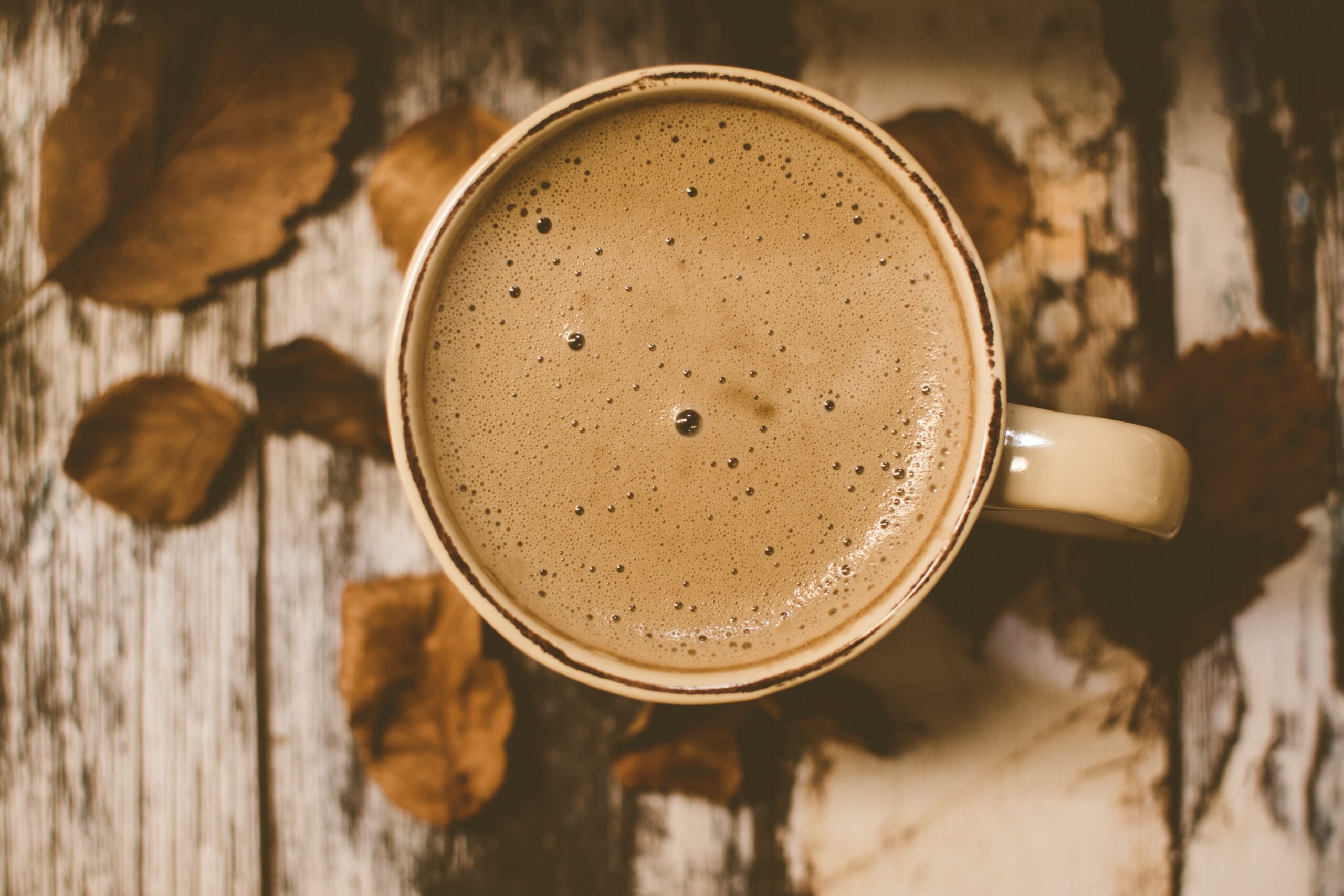
Side Effects of Drinking Coffee: 12 Possible Health Risks You Should Know
Coffee is one of the most popular drinks in the world. Millions of people enjoy it every day to feel more awake, improve concentration, and get through busy mornings. Whether you prefer black coffee, instant coffee, espresso, or coffee with milk, it can be an enjoyable part of your daily routine.
However, while coffee has some potential health benefits, drinking too much can cause unwanted side effects. Some people experience difficulty sleeping, anxiety, stomach discomfort, headaches, or a racing heartbeat after drinking coffee. Others may notice these symptoms even after consuming a small amount.
So, what are the side effects of drinking coffee, and how much coffee is too much?
The answer depends on several factors, including your age, health condition, caffeine sensitivity, and how much coffee you consume. Understanding these effects can help you make better decisions about your daily coffee intake.
In this article, we explore 12 possible side effects of drinking coffee, who should be careful, how much coffee is generally considered safe, and practical ways to enjoy coffee without experiencing unnecessary discomfort.
What Happens to Your Body When You Drink Coffee?
Coffee contains caffeine, a natural stimulant that affects the brain and nervous system. When you drink coffee, caffeine enters your bloodstream and helps block adenosine, a chemical messenger that makes you feel sleepy.
This is why you may feel more alert, energetic, and focused after drinking a cup of coffee.
However, caffeine does more than keep you awake. It can also influence your heart rate, blood pressure, digestive system, and sleep cycle.
The effects are not the same for everyone. Someone who regularly drinks coffee may tolerate several cups without noticeable problems, while another person may experience nervousness or a fast heartbeat after just one cup.
The amount of caffeine also matters. A small cup of instant coffee may contain considerably less caffeine than a large serving of brewed coffee or espresso-based drinks.
According to the US Food and Drug Administration (FDA), consuming up to 400 milligrams of caffeine daily is generally not associated with negative effects in most healthy adults. However, this is not a target everyone needs to reach.
12 Side Effects of Drinking Coffee
Although moderate coffee consumption is generally safe for many adults, excessive caffeine intake can cause several unwanted effects.
Here are 12 possible side effects to understand.
1. Difficulty Sleeping and Insomnia
One of the most common side effects of drinking coffee is difficulty sleeping.
Caffeine stimulates the nervous system and reduces feelings of tiredness. Although this can be helpful during the day, drinking coffee too late may interfere with your ability to fall asleep at night.
Even when you eventually fall asleep, caffeine may affect your sleep quality and reduce the amount of restful sleep you get.
The effect can last several hours, depending on how quickly your body processes caffeine.
For example, drinking a strong cup of coffee in the evening may leave you feeling awake when you should be preparing for bed.
How to avoid it: Try drinking coffee earlier in the day. If caffeine affects your sleep, avoid it for at least six to eight hours before bedtime. Some people may need an even longer caffeine-free period.
2. Increased Anxiety and Nervousness
Coffee can make some people feel anxious, restless, or unusually nervous.
This happens because caffeine stimulates the central nervous system and can increase the release of certain stress-related chemicals in the body.
When you consume too much caffeine, you may experience:
- Nervousness or restlessness.
- Racing thoughts.
- Shaky hands.
- Increased feelings of anxiety.
- Difficulty relaxing.
People who already experience anxiety may be particularly sensitive to caffeine.
For instance, drinking several cups of coffee during a stressful workday may make existing anxiety symptoms feel worse.
How to avoid it: Reduce your caffeine intake if you notice anxiety after drinking coffee. You can also try decaffeinated coffee, which contains significantly less caffeine.
3. Increased Heart Rate and Heart Palpitations
Another possible side effect of drinking too much coffee is an increased heart rate.
Caffeine can stimulate the cardiovascular system, sometimes causing your heart to beat faster. Some people also experience heart palpitations, which feel like the heart is racing, pounding, or skipping a beat.
Although occasional palpitations may occur after caffeine consumption, they should not automatically be ignored.
People with certain heart conditions or those who are particularly sensitive to caffeine may experience unwanted cardiovascular symptoms even at relatively low doses.
How to avoid it: Monitor how your body responds to coffee and reduce your intake if you notice palpitations. Speak with a healthcare professional if the symptoms continue.
Seek emergency medical attention if palpitations occur alongside chest pain, fainting, or severe shortness of breath.
4. Stomach Discomfort and Increased Stomach Acid
Coffee can stimulate stomach acid production and may cause digestive discomfort in some people.
You might experience:
- Stomach irritation.
- Nausea.
- Abdominal discomfort.
- A burning sensation in your stomach.
- Increased bowel movements.
Drinking coffee on an empty stomach may make discomfort more noticeable for some individuals, although this varies from person to person.
Coffee also contains natural compounds that can influence digestive activity.
If you regularly experience stomach discomfort after drinking coffee, your body may be sensitive to its caffeine content or other compounds.
How to avoid it: Try drinking coffee after eating rather than on an empty stomach. You can also reduce the amount you drink or switch to a less acidic coffee variety.
If stomach pain is persistent or severe, seek medical advice rather than assuming coffee is the only cause.
5. Heartburn and Acid Reflux
Coffee may trigger or worsen heartburn in some people.
Heartburn occurs when stomach contents move back into the oesophagus, the tube connecting your mouth to your stomach. This can cause a burning sensation in your chest or throat.
Caffeine and other coffee compounds may influence the lower oesophageal sphincter, which helps prevent stomach contents from moving backwards.
Common symptoms include:
- Burning in the chest.
- Sour or bitter taste in the mouth.
- Acid coming up into the throat.
- Discomfort after eating or drinking.
However, coffee does not trigger acid reflux in everyone. Individual reactions differ.
How to avoid it: If coffee causes heartburn, reduce your intake, avoid drinking it close to bedtime, and observe whether different coffee preparations affect you differently.
People with frequent acid reflux should discuss persistent symptoms with a healthcare professional.
6. Frequent Urination
Have you noticed that you visit the bathroom more often after drinking coffee?
This may be related to caffeine’s mild diuretic effect.
Caffeine can increase urine production, particularly in people who do not regularly consume it. It can also affect bladder activity, contributing to urinary urgency.
This means you may feel the need to urinate more frequently after drinking coffee.
However, moderate coffee consumption does not automatically cause dehydration. Coffee still contributes to your daily fluid intake.
How to avoid it: Reduce your caffeine intake if frequent urination becomes uncomfortable. Drink water regularly and avoid consuming large quantities of coffee in a short period.
If you experience painful urination, blood in your urine, or persistent urinary problems, consult a healthcare professional.
7. Headaches and Caffeine Withdrawal
Coffee can both relieve and trigger headaches, depending on the circumstances.
Caffeine is sometimes included in headache medications because it can enhance the effectiveness of certain pain relievers.
However, regularly consuming large amounts of coffee may lead to physical dependence.
When you suddenly stop drinking coffee, your body may react to the absence of caffeine. This is known as caffeine withdrawal.
Possible withdrawal symptoms include:
- Headaches.
- Tiredness.
- Difficulty concentrating.
- Irritability.
- Low energy.
- Reduced alertness.
These symptoms can begin within a day after reducing or stopping regular caffeine consumption.
How to avoid it: If you want to stop drinking coffee, gradually reduce your intake instead of quitting suddenly. This can make withdrawal symptoms easier to manage.
8. Increased Blood Pressure
Caffeine may temporarily increase blood pressure, especially in people who are not regular coffee drinkers.
This happens because caffeine can stimulate the nervous system and cause blood vessels to change their activity.
Some people experience a noticeable rise in blood pressure after consuming coffee, while others develop little or no change.
The response can depend on individual sensitivity, caffeine tolerance, and existing health conditions.
People with high blood pressure should pay attention to how caffeine affects them.
How to avoid it: Monitor your blood pressure if you have hypertension or have been advised to limit caffeine. Discuss your coffee consumption with your healthcare provider.
It is also important to remember that coffee does not affect everyone’s blood pressure in the same way.
9. Shaking Hands and Muscle Tremors
Drinking too much coffee can make some people feel physically shaky.
This happens because caffeine stimulates the nervous system. At higher levels, this stimulation may cause trembling, restlessness, and muscle twitching.
You may notice that your hands shake slightly after drinking several cups of coffee.
This is particularly common among people who are sensitive to caffeine or consume it without regularly eating.
How to avoid it: Reduce your coffee intake and avoid combining several caffeinated drinks throughout the day.
If shaking continues after reducing caffeine, seek medical advice to rule out other possible causes.
10. Possible Effects on Bone Health
Excessive caffeine consumption may influence calcium balance in the body.
Caffeine can slightly increase the amount of calcium lost through urine. However, this does not mean that drinking coffee automatically causes weak bones or osteoporosis.
The potential effect may be more relevant to people who already have inadequate calcium intake or other risk factors for reduced bone density.
Older adults and postmenopausal women should pay particular attention to maintaining good bone health.
How to avoid it: Eat a balanced diet containing sufficient calcium and vitamin D. Good dietary sources include dairy products, fortified foods, leafy green vegetables, and certain fish.
If you have concerns about osteoporosis, speak with a healthcare professional about your individual risk.
11. Dependence on Caffeine
Another possible side effect of drinking coffee regularly is caffeine dependence.
Your body can become accustomed to receiving caffeine every day. Over time, you may feel that you need coffee to wake up, concentrate, or feel normal.
You might also notice that the amount of coffee that once made you feel energetic no longer has the same effect.
This is known as caffeine tolerance.
Although caffeine dependence is not the same as addiction to many harmful substances, it can make reducing your coffee intake uncomfortable.
How to avoid it: Avoid increasing your coffee consumption whenever you feel tired. Get sufficient sleep, maintain regular meals, and gradually reduce caffeine if you feel overly dependent on it.
12. Possible Interactions With Medications
Coffee and caffeine can interact with certain medications.
Depending on the medication, caffeine may affect how quickly your body processes it, increase unwanted stimulant effects, or influence how you respond to treatment.
Some medications can also slow down caffeine metabolism, making caffeine stay in your body longer.
This is particularly important for people taking prescription medicines for certain heart conditions, respiratory problems, or other medical conditions.
How to avoid it: Check with your pharmacist or doctor if you take regular medication and are unsure whether coffee is suitable.
Do not stop prescribed medication simply because you drink coffee.
How Much Coffee Is Too Much?
The amount of coffee you can safely consume depends on your caffeine sensitivity, health, age, and other sources of caffeine in your diet.
According to the FDA, up to 400 milligrams of caffeine per day is generally considered safe for most healthy adults.
This is approximately equivalent to two to three 12-ounce cups of coffee, although caffeine levels vary considerably depending on the preparation method and serving size.
Here is a general guide:
| Coffee or caffeine source | Caffeine content |
|---|---|
| Instant coffee | Varies by serving |
| Brewed coffee | Varies by size and strength |
| Espresso | Varies by shot size |
| Decaffeinated coffee | Contains a small amount |
| Energy drinks | Varies widely |
Remember that caffeine is not found only in coffee. Tea, chocolate, energy drinks, soft drinks, and some medications may also contribute to your daily caffeine intake.
The 400 mg guideline is not a recommendation for everyone. Some people may experience unwanted side effects at much lower amounts.
Who Should Be Careful About Drinking Coffee?
Although many adults can enjoy coffee without problems, certain groups may need to limit their caffeine consumption.
Pregnant Women
Pregnant women should pay particular attention to caffeine intake.
The American College of Obstetricians and Gynecologists (ACOG) advises limiting caffeine consumption during pregnancy to less than 200 milligrams per day.
This includes caffeine from coffee, tea, chocolate, energy drinks, and other sources.
Pregnant women should discuss their individual caffeine intake with their healthcare providers.
People With Anxiety Disorders
Caffeine can worsen nervousness, restlessness, and anxiety in sensitive individuals.
People who already experience anxiety symptoms may benefit from reducing or avoiding caffeinated coffee.
People With High Blood Pressure
Since caffeine can temporarily raise blood pressure, people with hypertension should monitor their response and follow medical advice about caffeine consumption.
People With Acid Reflux
Coffee may worsen heartburn or reflux symptoms in some individuals.
If you notice a clear connection between coffee and your symptoms, reducing your intake may help.
People With Sleep Problems
Anyone experiencing insomnia or poor sleep should consider reducing caffeine, especially later in the day.
Children and Teenagers
Children and teenagers should be particularly careful with caffeinated drinks. Energy drinks and other high-caffeine products are not appropriate substitutes for healthy sleep and nutrition.
How to Reduce the Side Effects of Drinking Coffee
You do not necessarily have to stop drinking coffee to avoid unwanted side effects.
Making a few changes to your daily habits may help you enjoy it more comfortably.
Here are practical suggestions:
1. Reduce your daily coffee intake.
If you regularly drink several cups, try reducing the amount gradually. This can help minimise caffeine-related symptoms.
2. Avoid coffee late in the day.
Drinking coffee earlier may reduce its effect on your sleep.
3. Choose decaffeinated coffee.
Decaf coffee offers a similar taste with considerably less caffeine. However, it is not completely caffeine-free.
4. Drink enough water.
Maintain regular hydration throughout the day rather than relying entirely on coffee and other caffeinated drinks.
5. Pay attention to portion sizes.
Large coffee servings may contain more caffeine than you realise.
6. Avoid excessive added sugar.
Large quantities of sugar, flavoured syrups, and cream can increase the calorie content of your coffee.
7. Listen to your body.
If you regularly experience headaches, anxiety, heart palpitations, or stomach discomfort after drinking coffee, consider reducing your intake.
Are There Any Health Benefits of Drinking Coffee?
Despite its possible side effects, coffee is not necessarily bad for your health.
Research suggests that moderate coffee consumption may be associated with several health benefits.
These include:
- Improved alertness and concentration.
- Increased short-term mental performance.
- A possible association with a lower risk of type 2 diabetes.
- The presence of antioxidants and other beneficial plant compounds.
- Possible associations with better cardiovascular health in some populations.
However, it is important to understand the difference between association and cause.
Many studies showing potential benefits of coffee are observational. This means they identify relationships between coffee consumption and health outcomes but do not always prove that coffee itself causes the benefits.
Coffee should therefore not be treated as medicine or used as a replacement for a healthy diet, exercise, or medical treatment.
Frequently Asked Questions About the Side Effects of Drinking Coffee
Is drinking coffee every day harmful?
Drinking coffee every day is generally not harmful for most healthy adults when consumed in moderate amounts. However, excessive caffeine may cause insomnia, anxiety, headaches, stomach discomfort, and heart palpitations.
Your individual tolerance and health condition matter.
What are the side effects of drinking coffee on an empty stomach?
Some people experience nausea, stomach discomfort, or heartburn when drinking coffee without eating first.
Coffee may stimulate stomach acid production, which can make existing digestive symptoms more noticeable.
However, drinking coffee on an empty stomach does not cause problems for everyone.
Can coffee damage your kidneys?
Moderate coffee consumption is not generally considered harmful to healthy kidneys. However, individual circumstances, existing kidney conditions, and other ingredients in coffee drinks may matter.
People with kidney disease should discuss their caffeine intake with their healthcare provider.
Does coffee affect the heart?
Caffeine can temporarily increase heart rate and blood pressure in some individuals. It may also cause palpitations in sensitive people.
However, moderate coffee consumption is generally considered safe for most healthy adults.
Anyone with an existing heart condition should seek individual medical advice.
Is black coffee healthier than coffee with milk and sugar?
Black coffee contains fewer calories than coffee with large amounts of sugar, flavoured syrups, and cream.
Adding moderate amounts of milk is not necessarily unhealthy. The overall nutritional quality of your coffee depends on its ingredients and your dietary needs.
Can drinking coffee cause dehydration?
Coffee has a mild diuretic effect, but moderate consumption does not generally cause dehydration in regular coffee drinkers.
Coffee also contributes to daily fluid intake.
What is the best time to drink coffee?
Morning or early afternoon may be suitable for many people because drinking coffee too close to bedtime can interfere with sleep.
The best time depends on your sleeping schedule and caffeine sensitivity.
Should I stop drinking coffee completely?
Not necessarily. Most healthy adults can enjoy coffee in moderation.
However, if you experience repeated unwanted symptoms, reducing your intake or switching to decaffeinated coffee may help.
People with medical conditions or those taking certain medications should seek professional advice.
Final Thoughts on the Side Effects of Drinking Coffee
Coffee can be an enjoyable part of everyday life, but drinking too much may cause unwanted side effects.
The most common problems include difficulty sleeping, anxiety, increased heart rate, stomach discomfort, heartburn, frequent urination, headaches, and caffeine dependence.
For most healthy adults, consuming up to 400 milligrams of caffeine daily is generally considered safe. However, individual tolerance varies, and some people may need much less.
The best approach is to understand how your body responds to coffee, avoid excessive consumption, and make informed choices about your daily caffeine intake.
You do not necessarily need to give up your favourite drink. By paying attention to portion sizes, drinking coffee earlier in the day, and maintaining a balanced lifestyle, you can enjoy coffee while reducing the likelihood of unwanted effects.